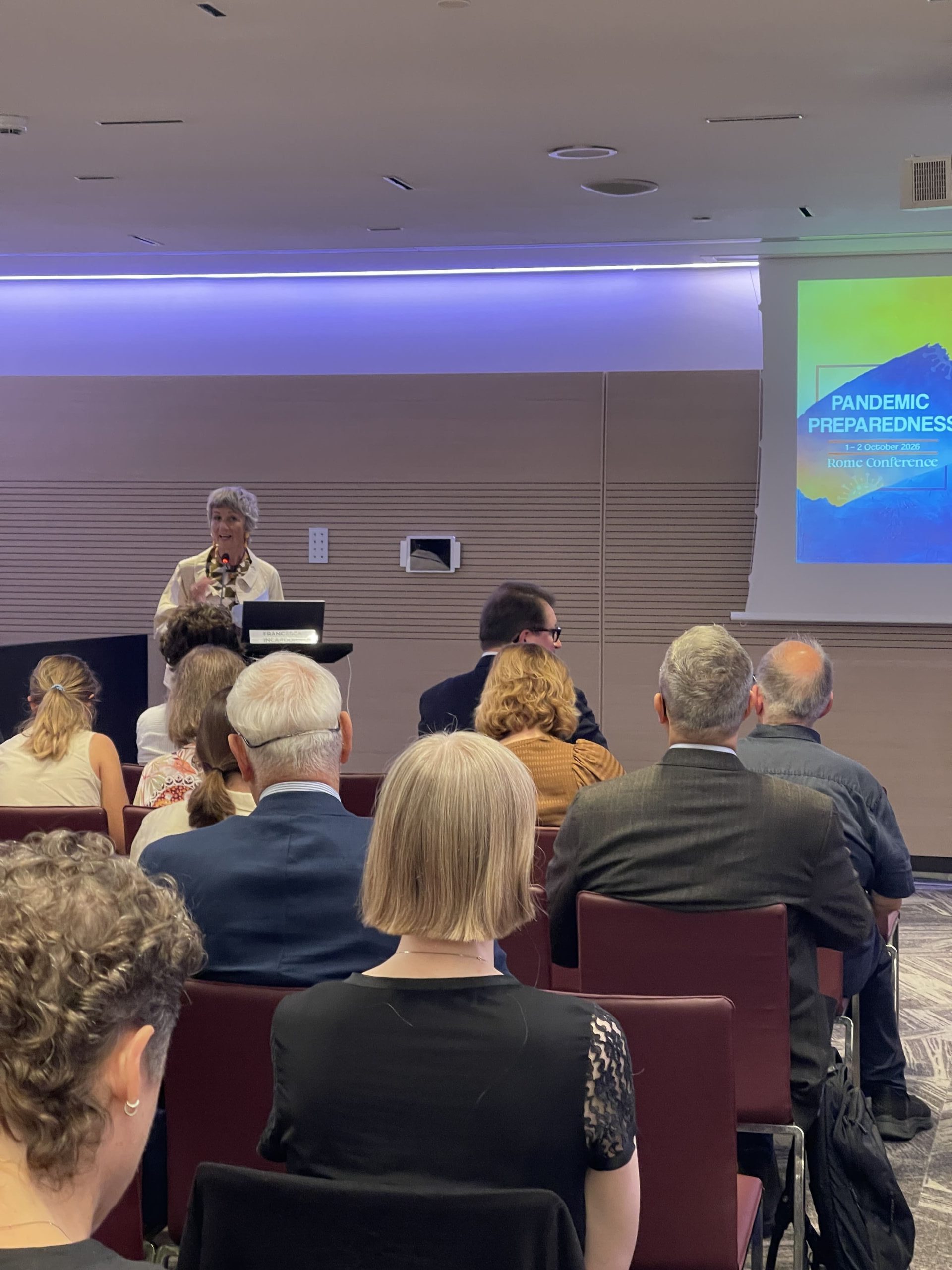
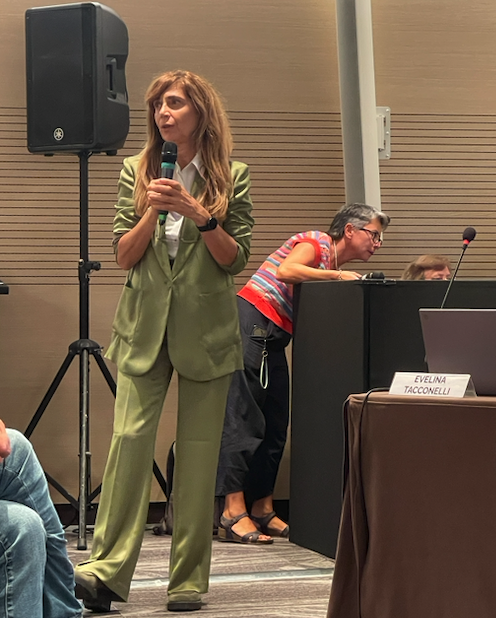
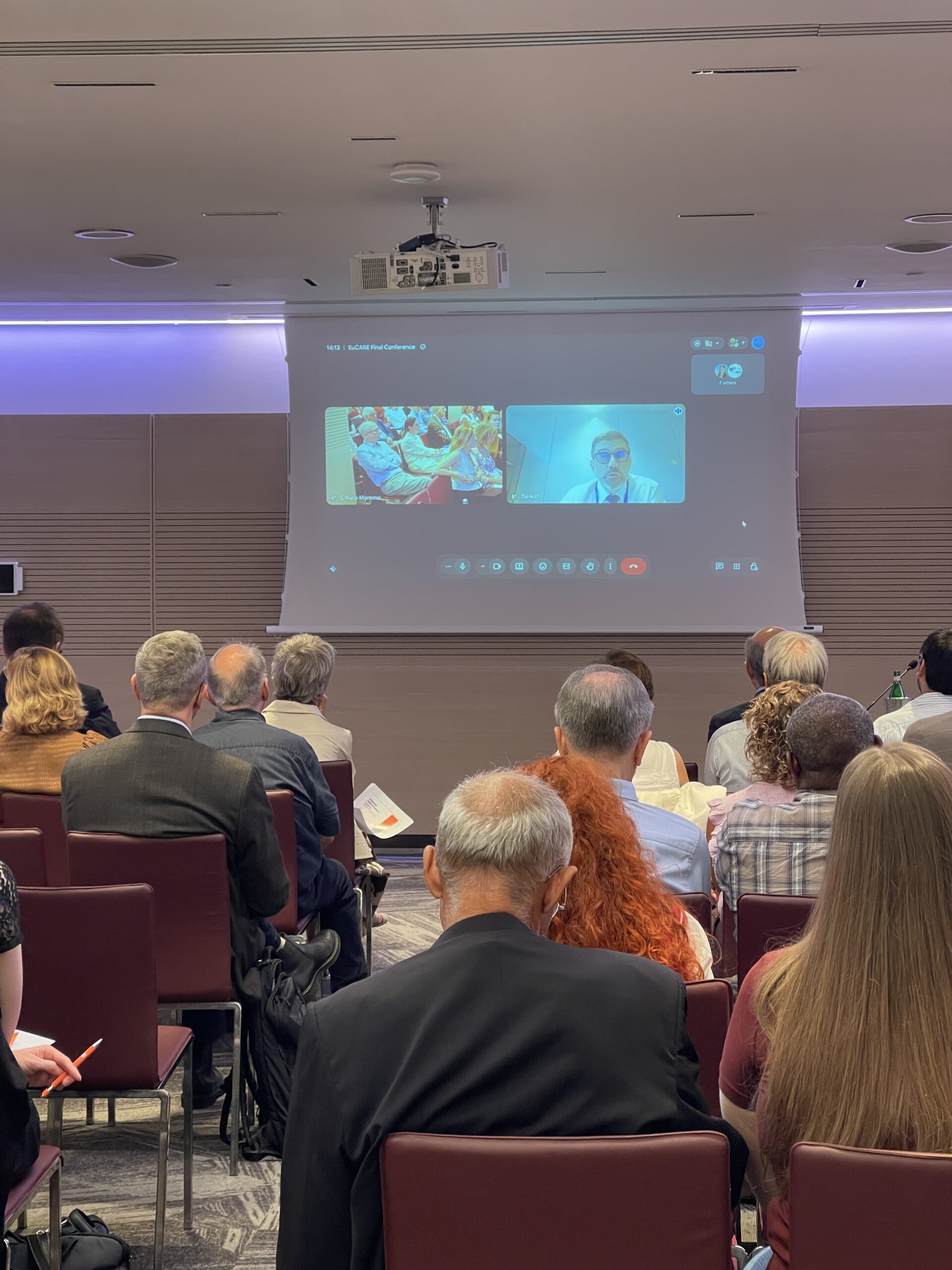
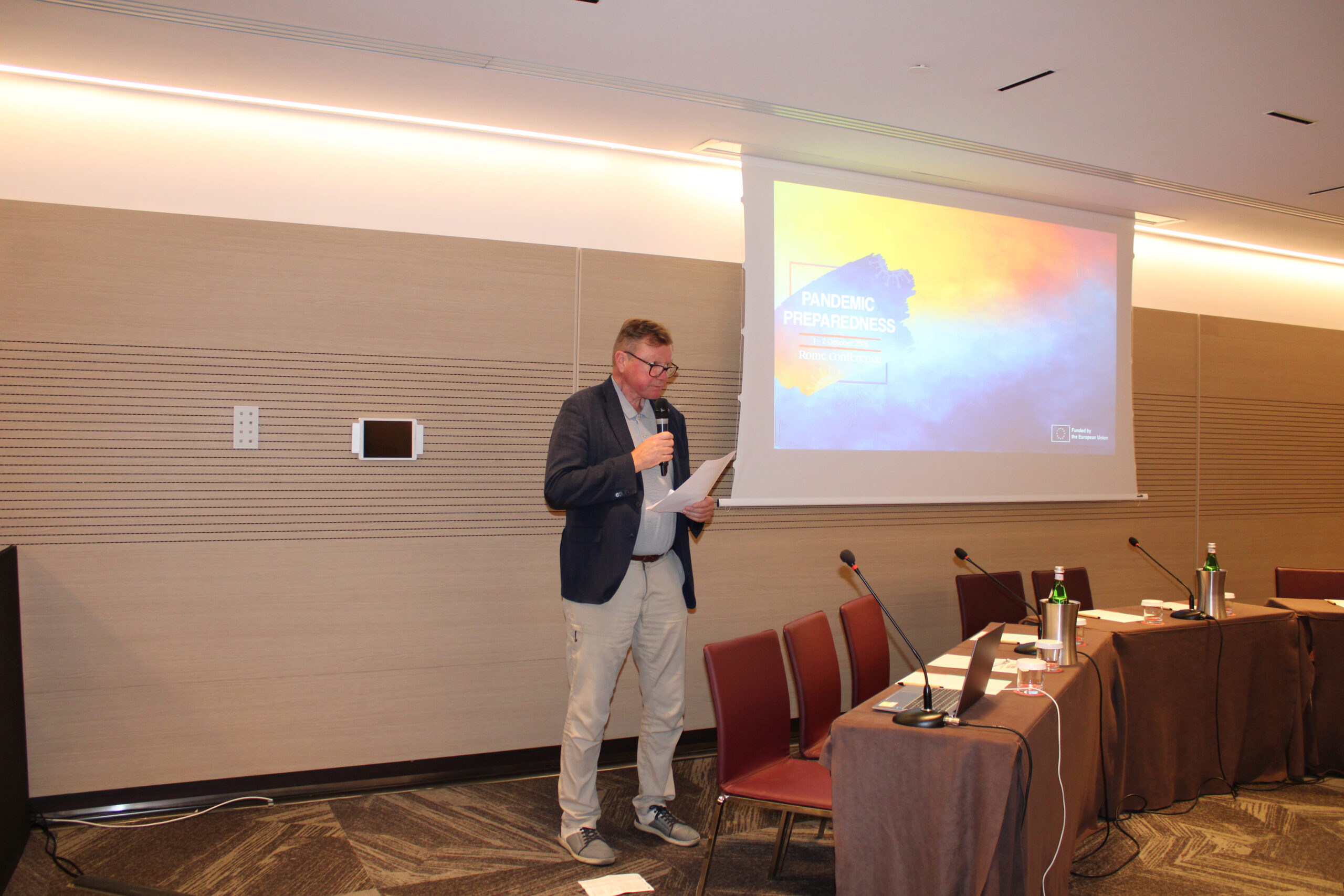
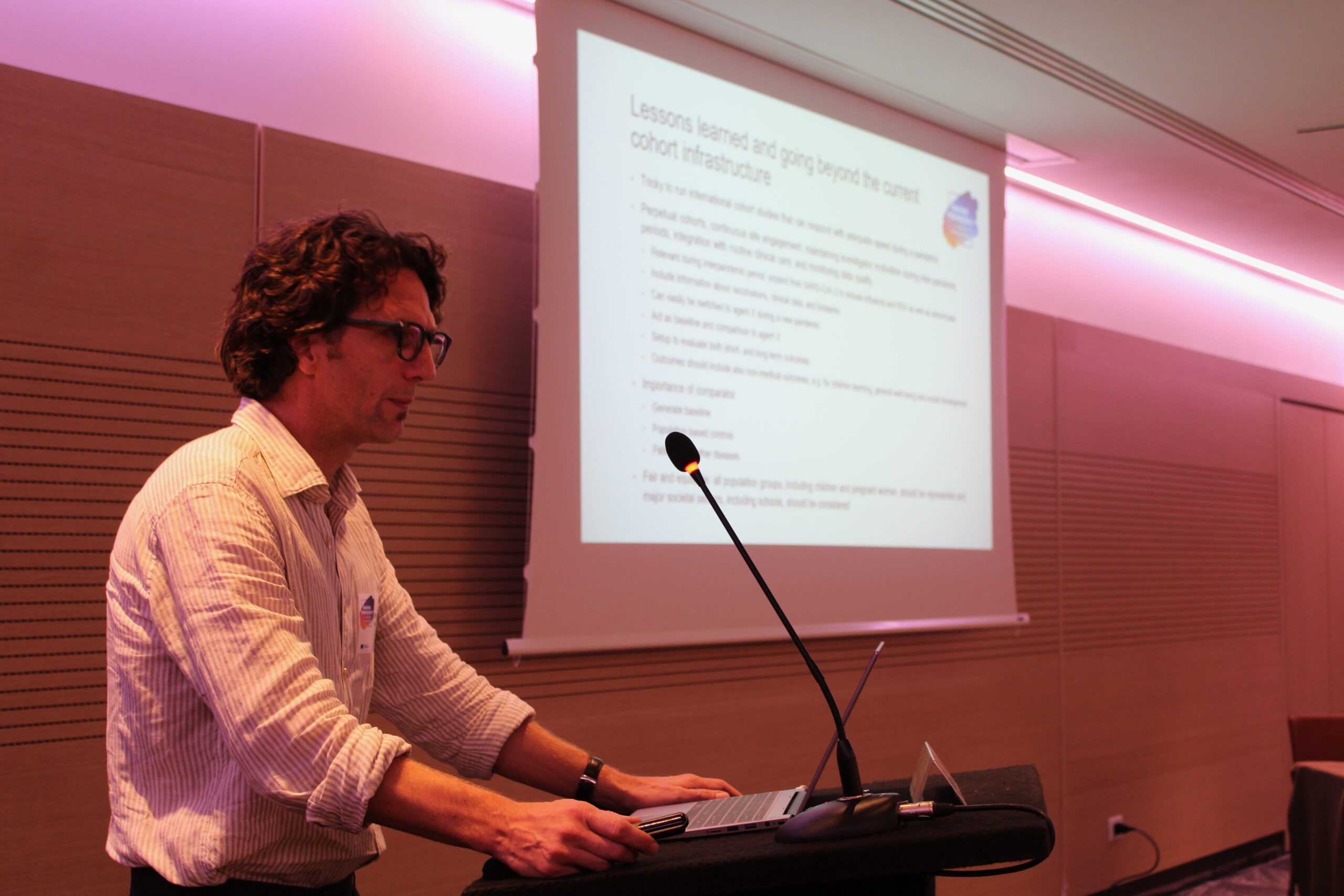
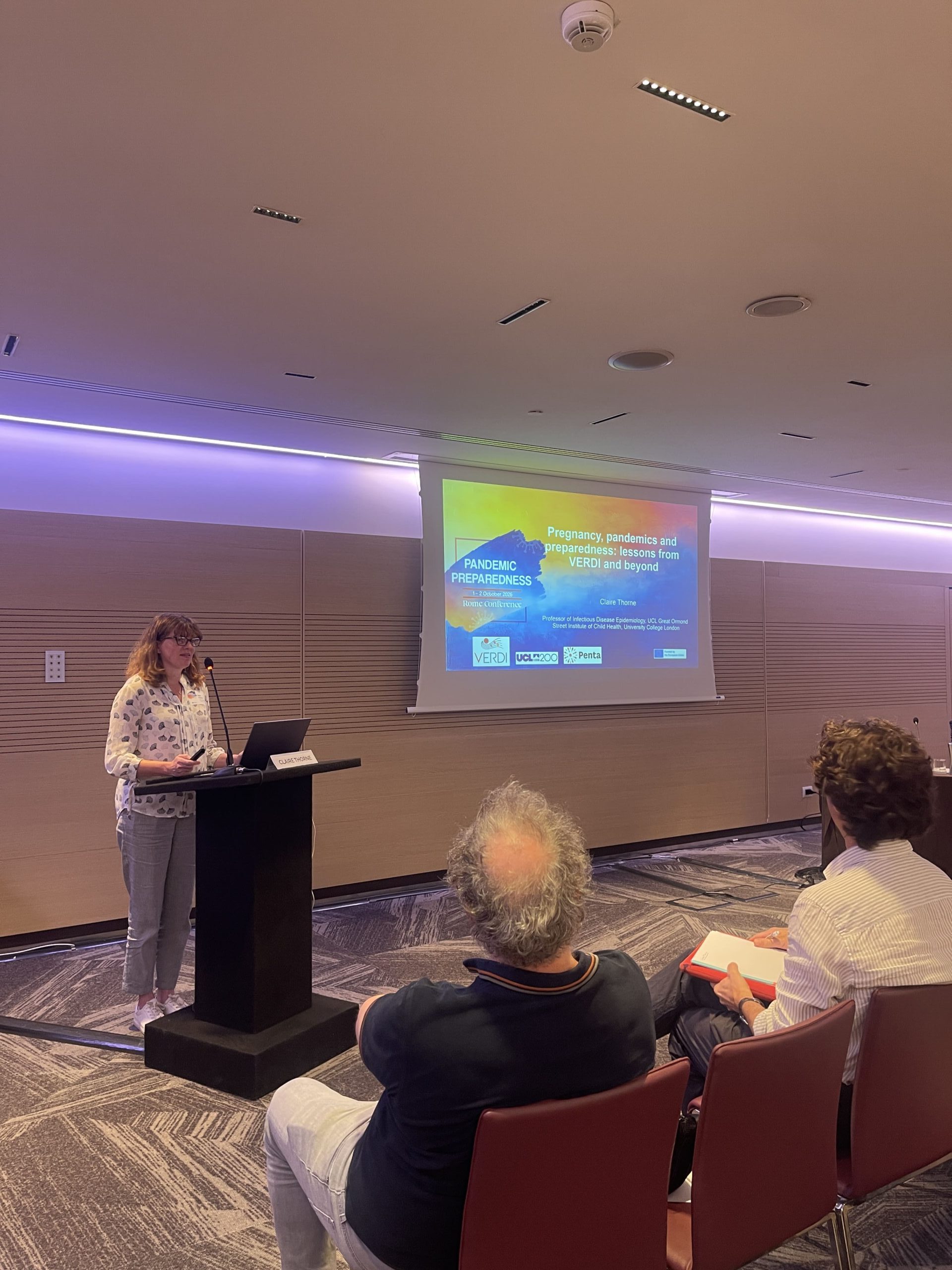
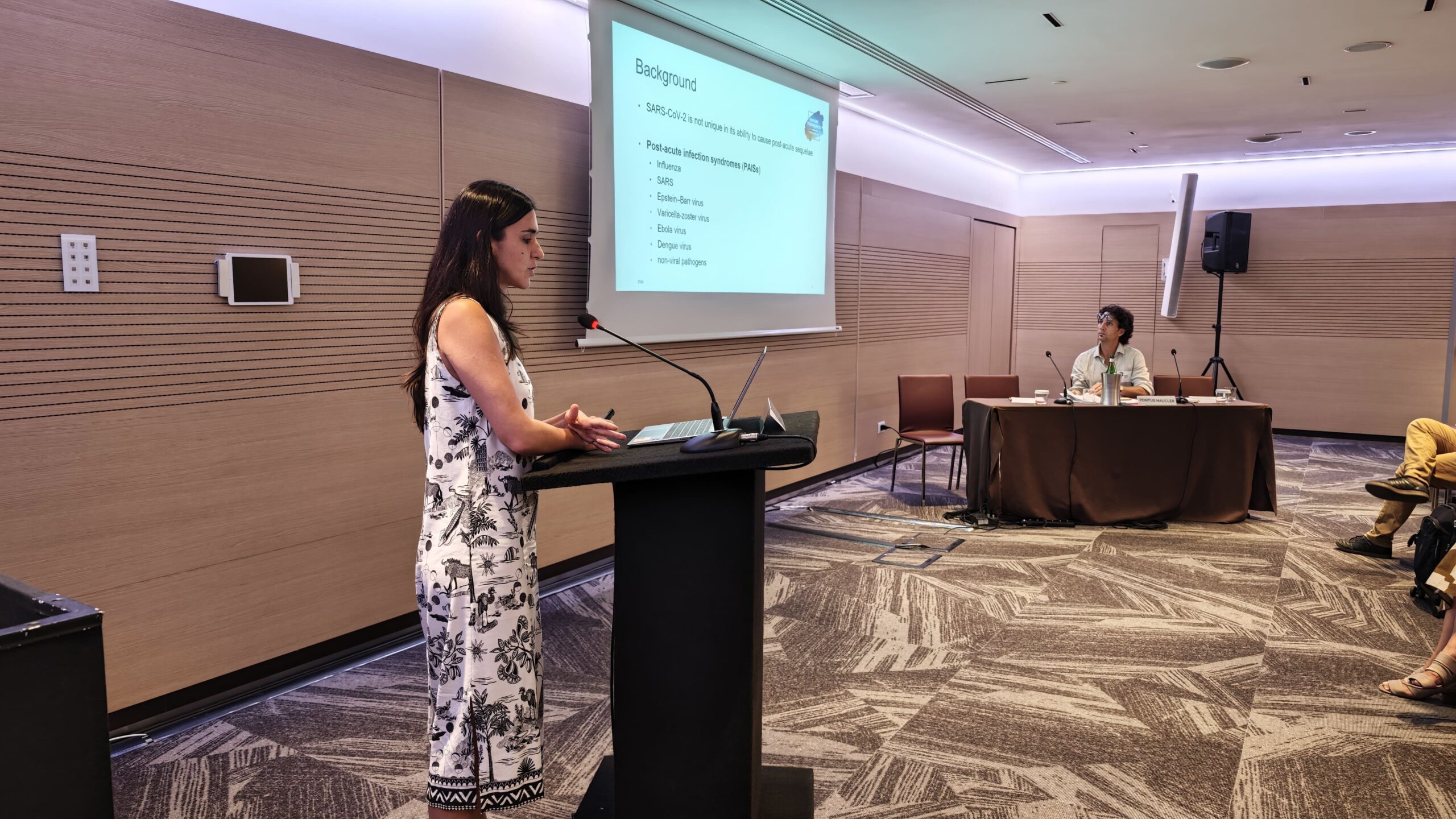
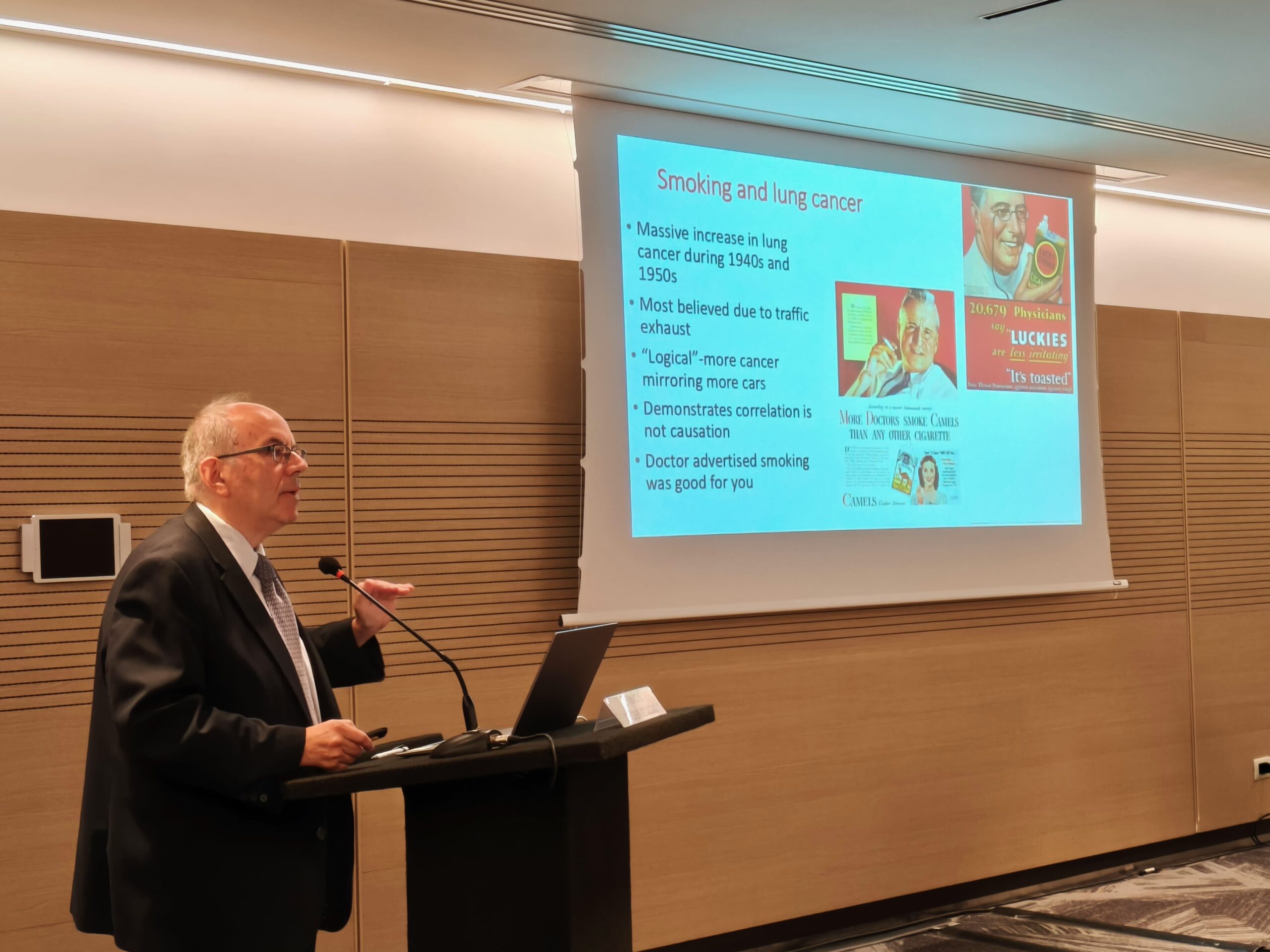
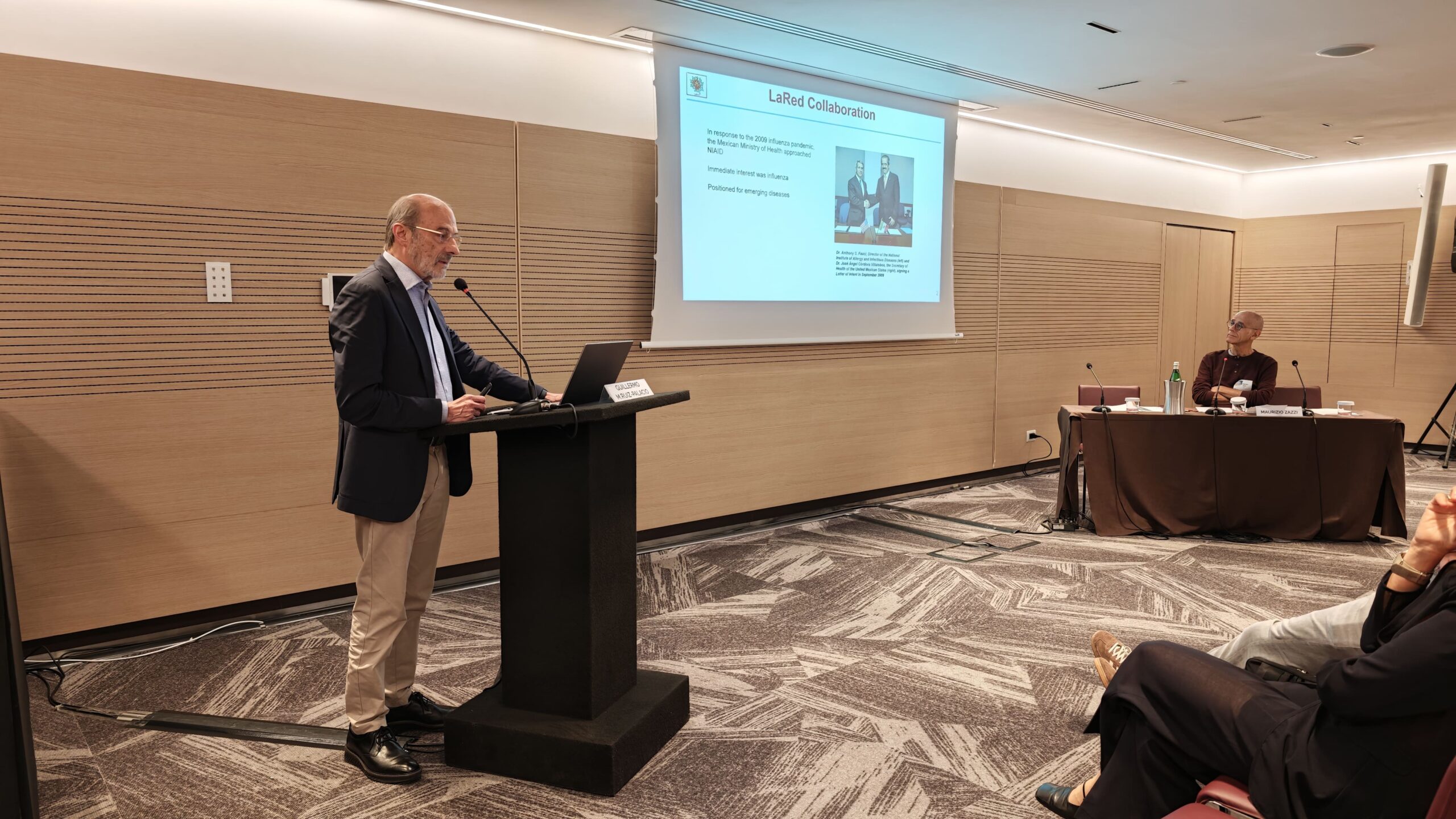
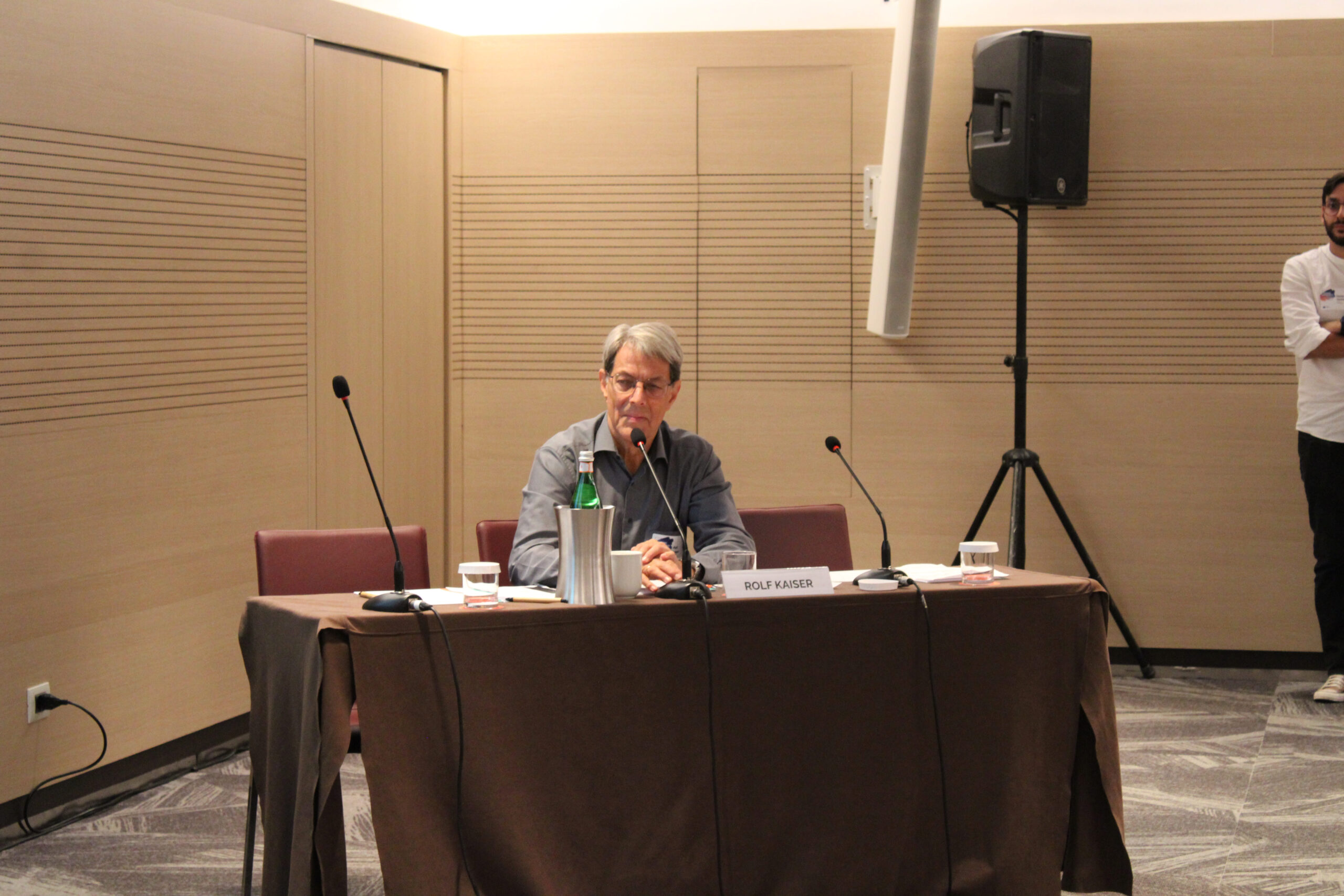
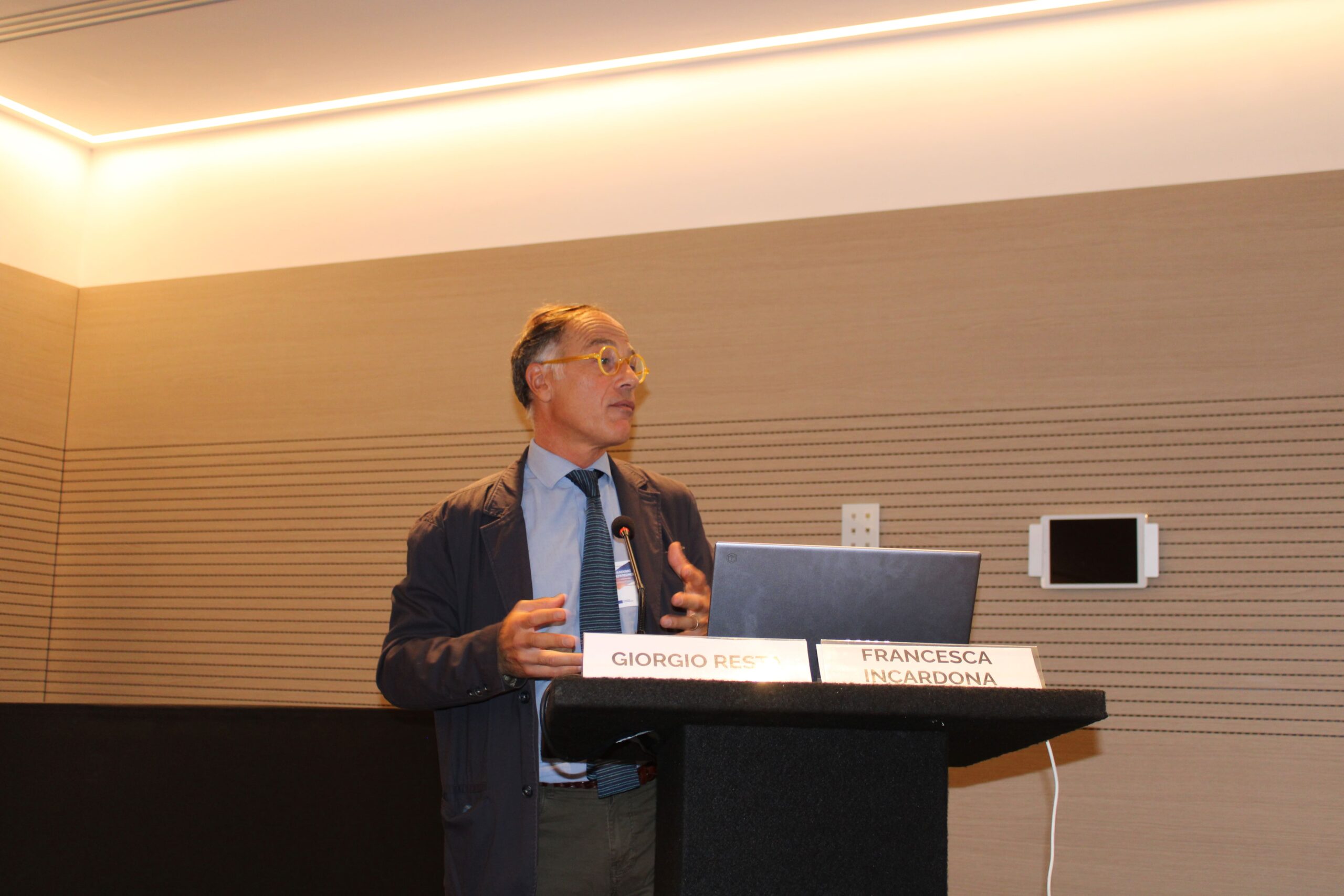
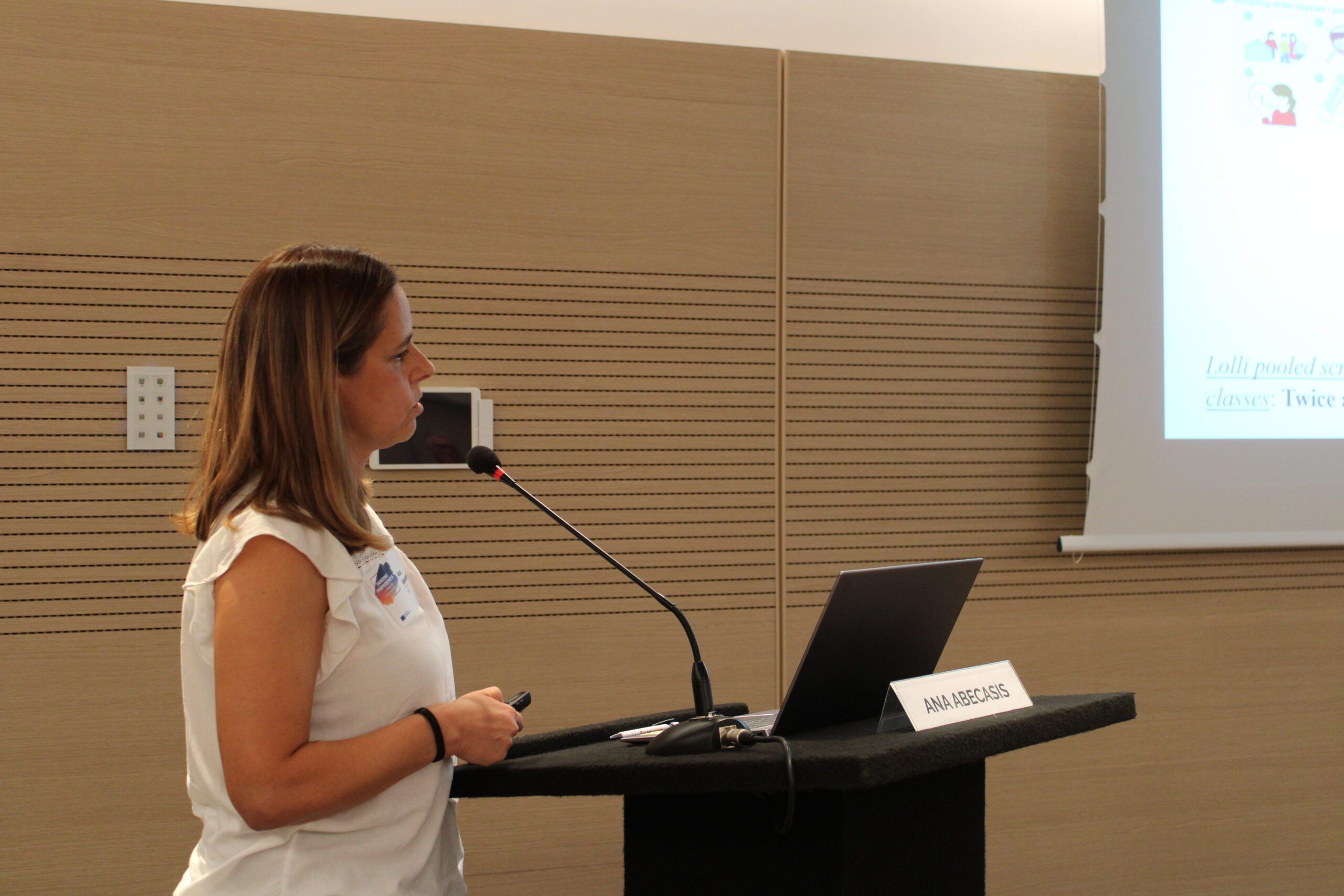
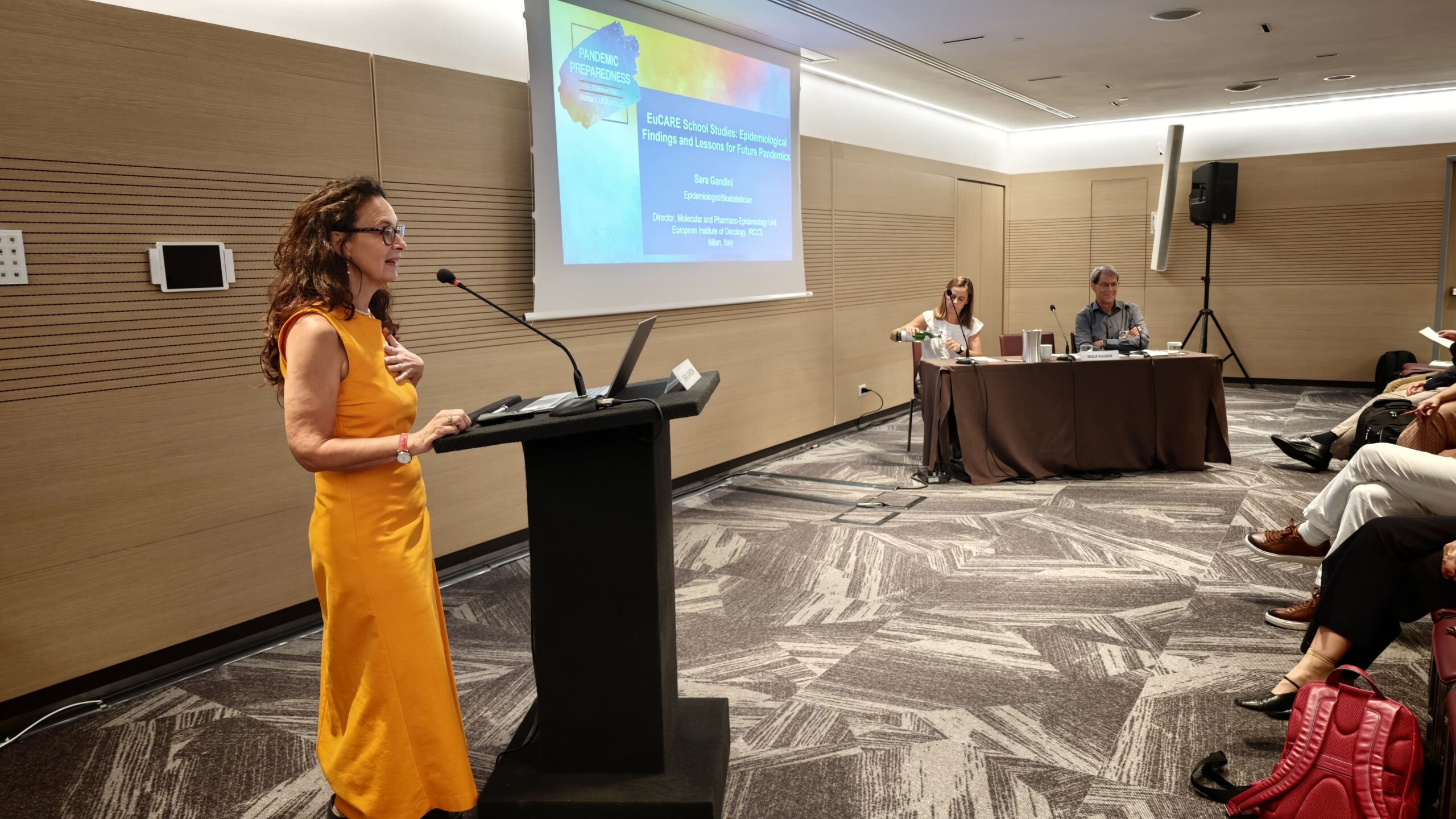
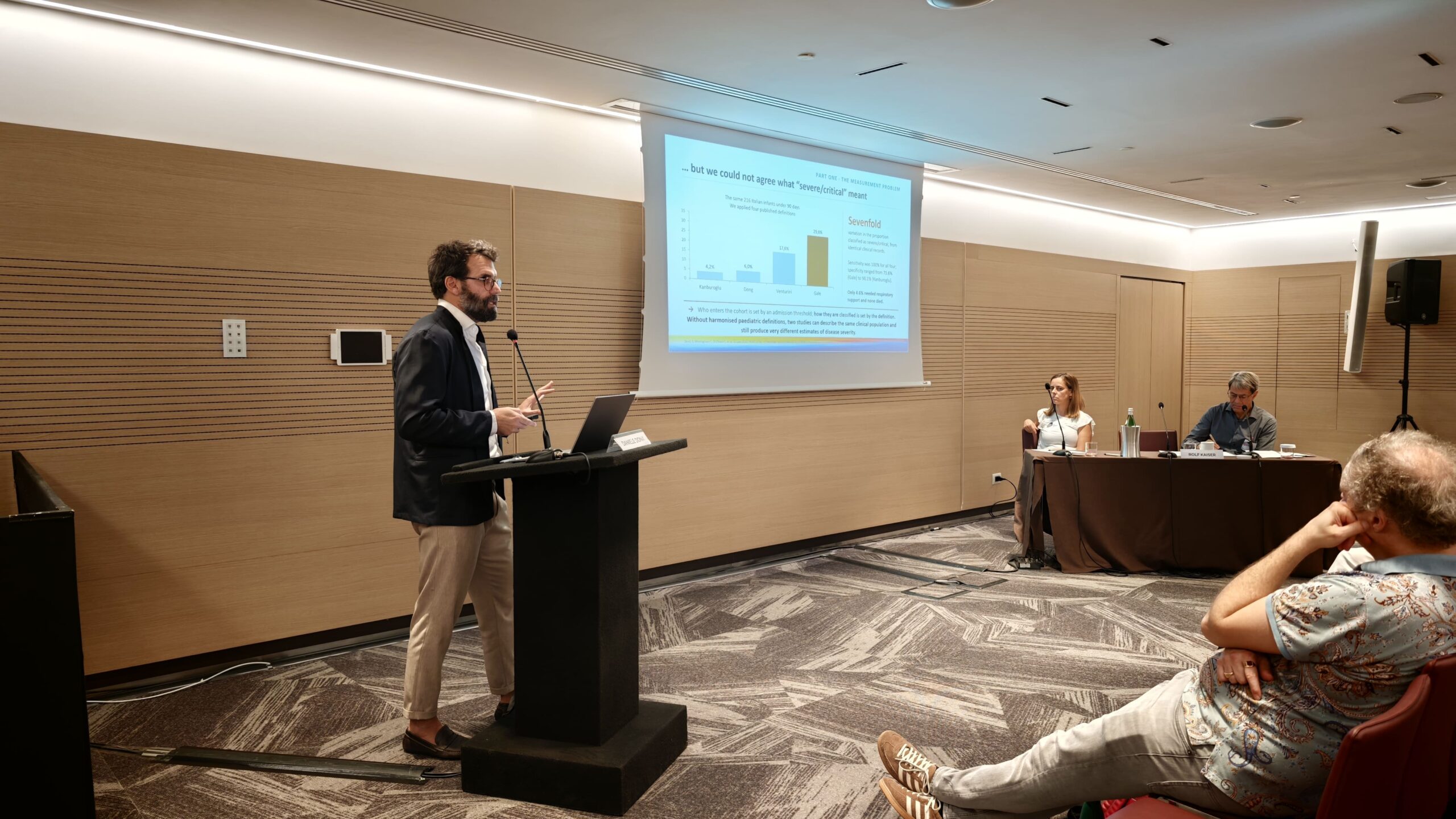
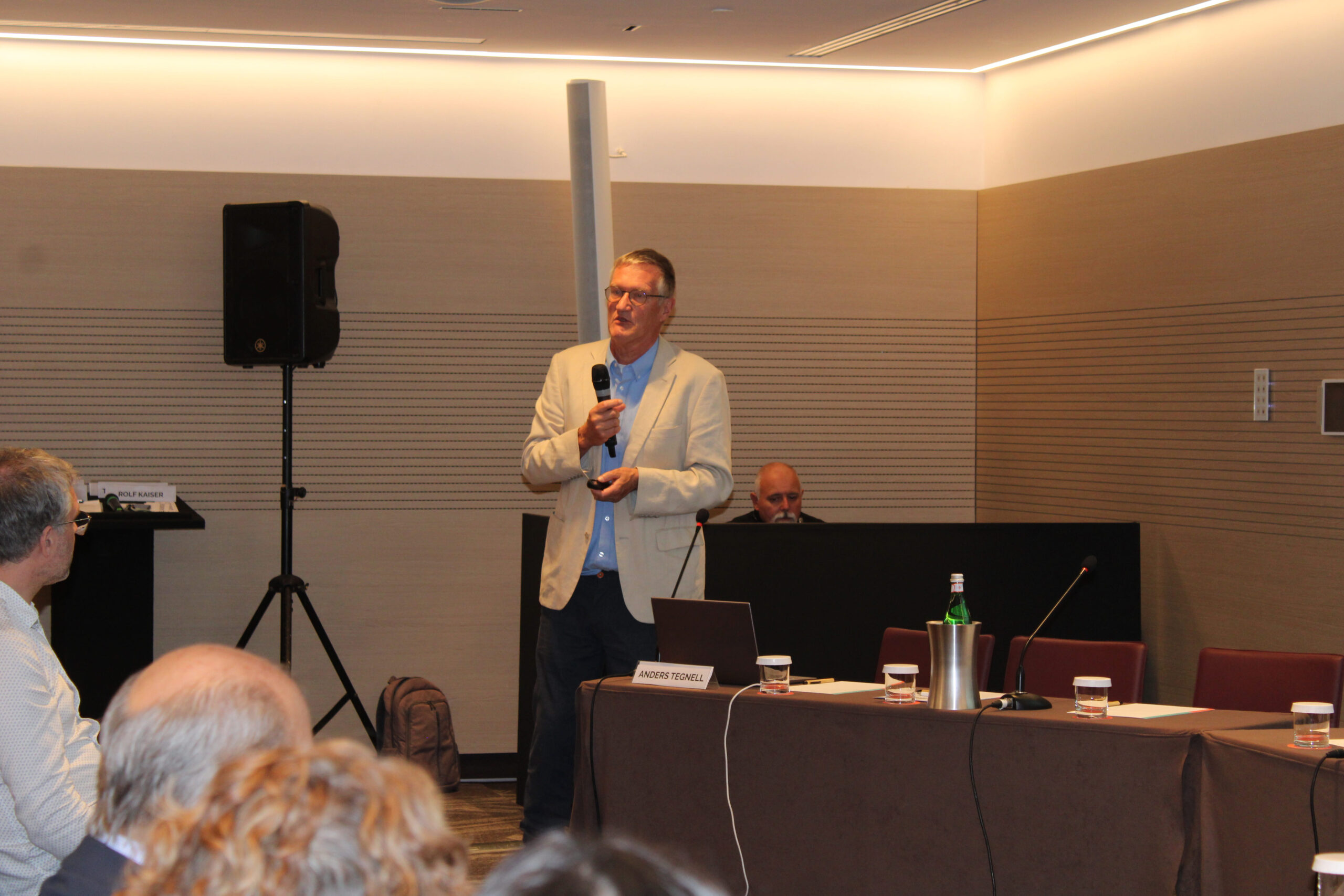
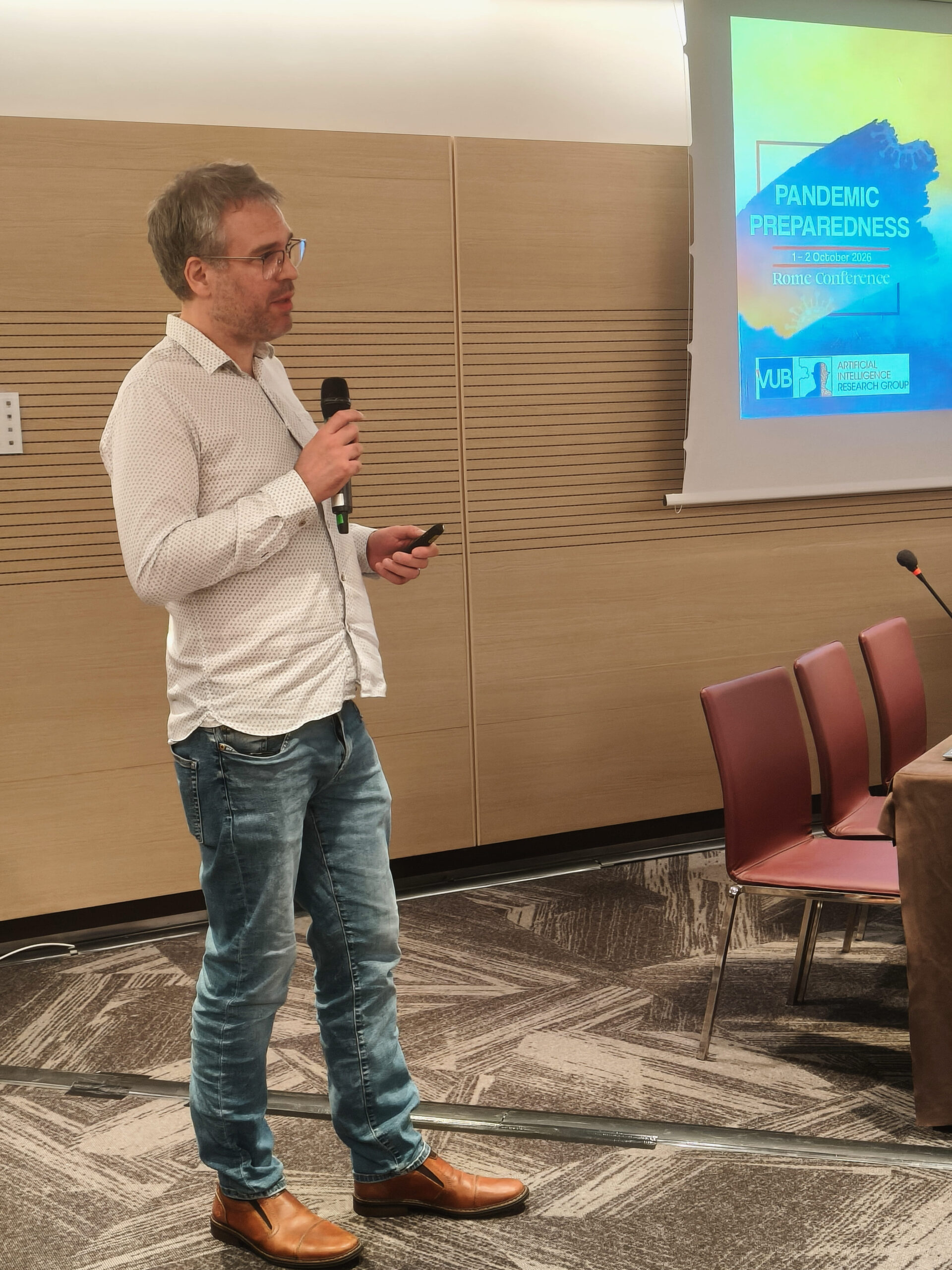
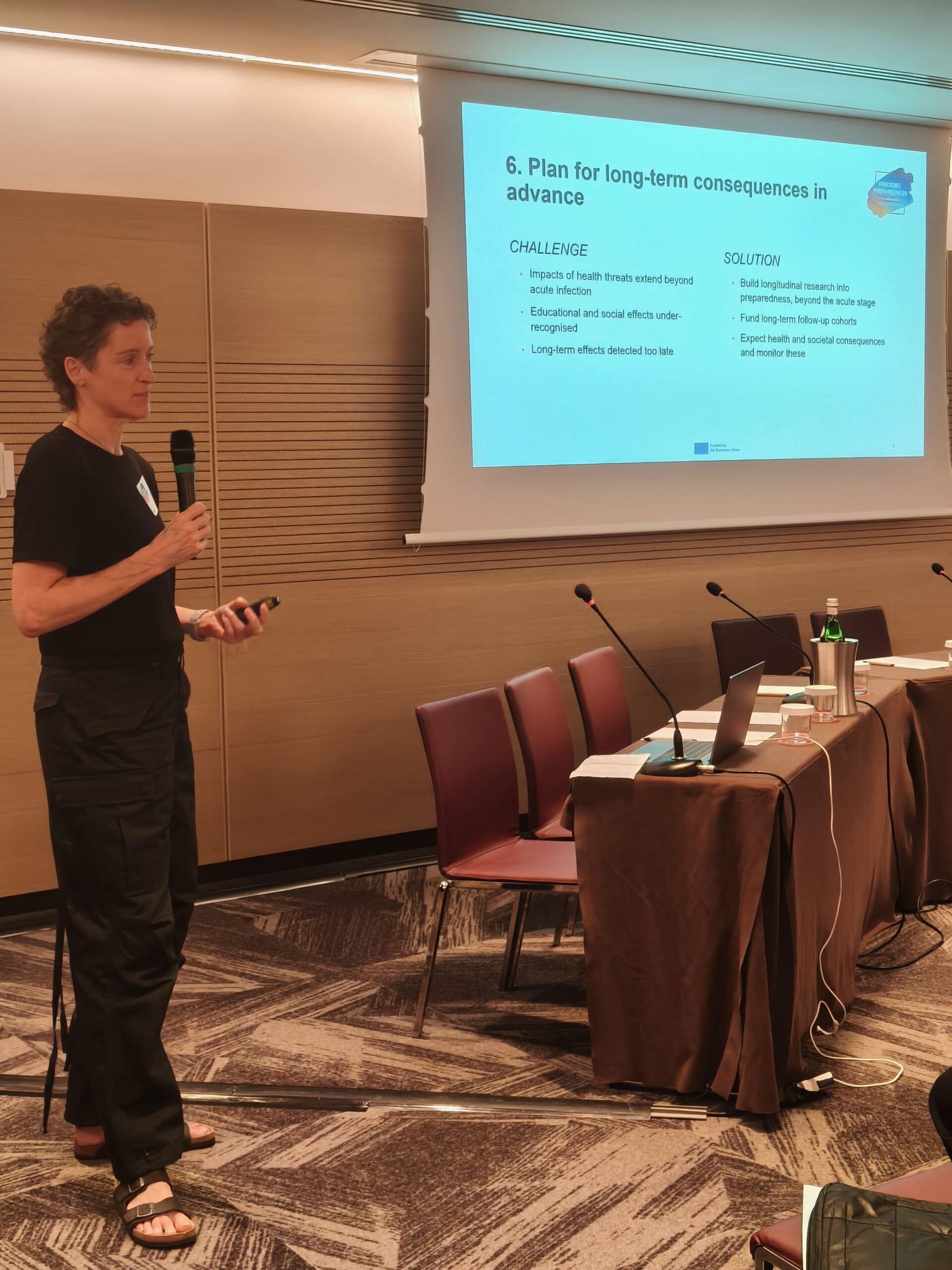
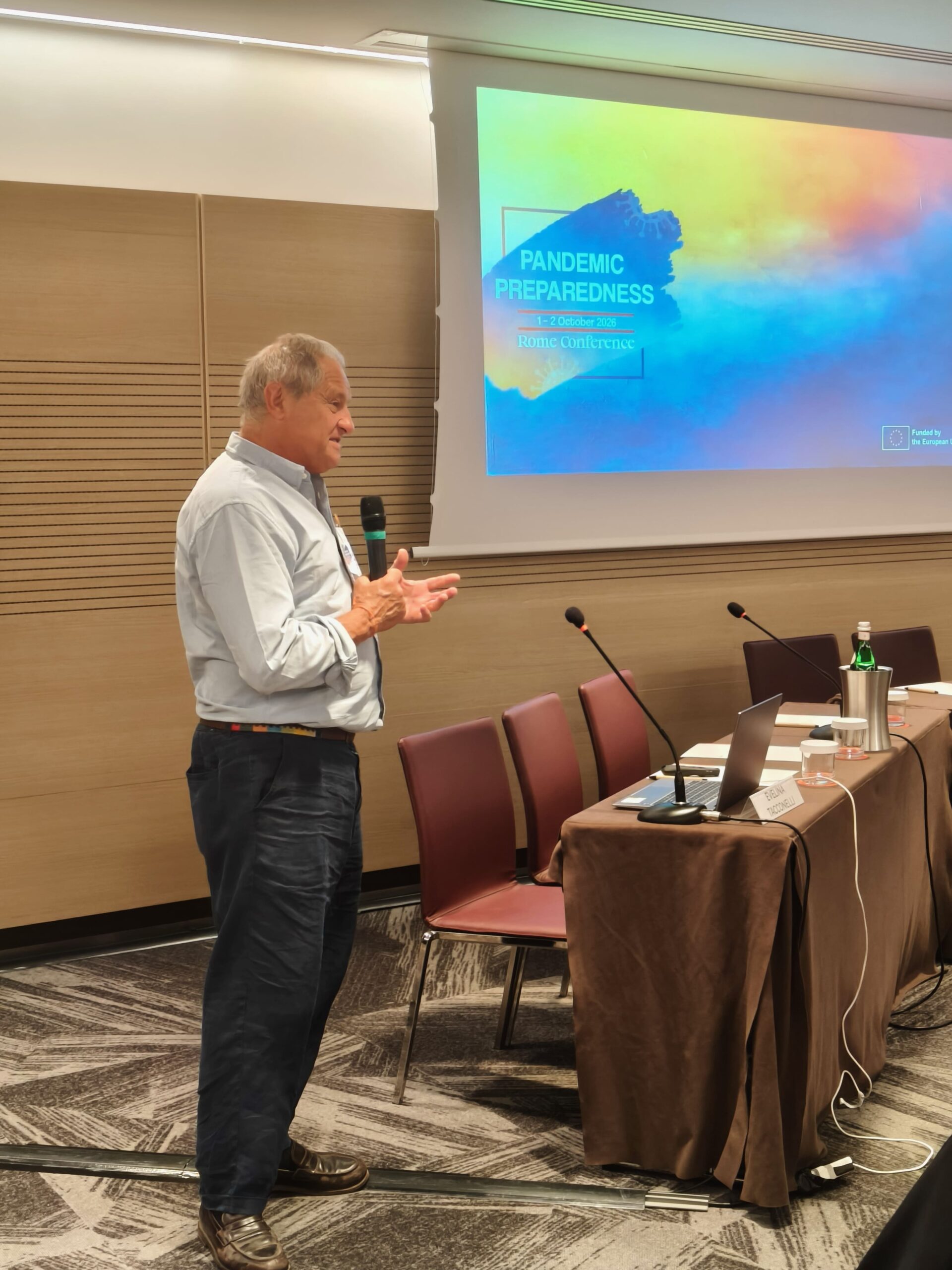
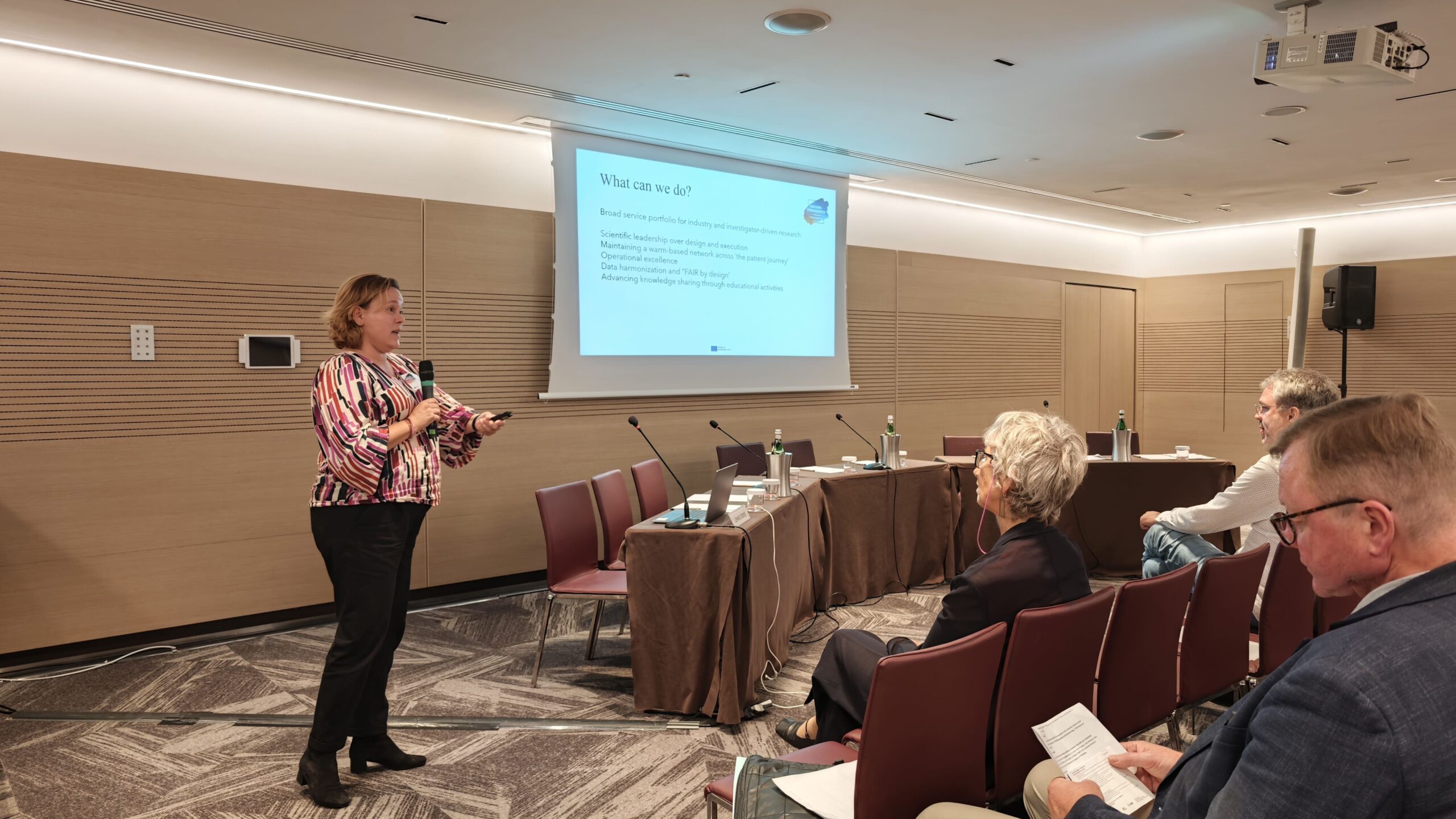
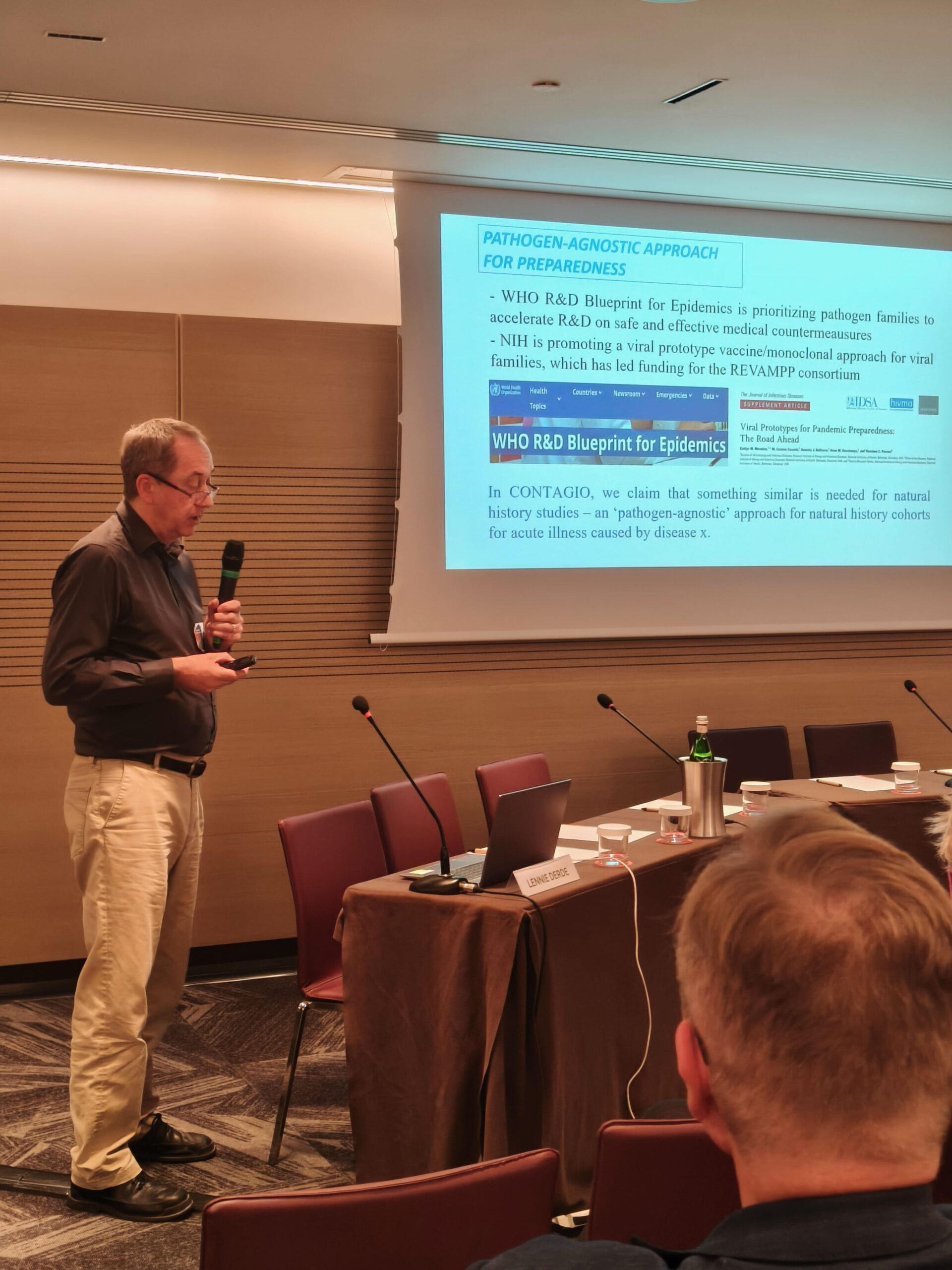
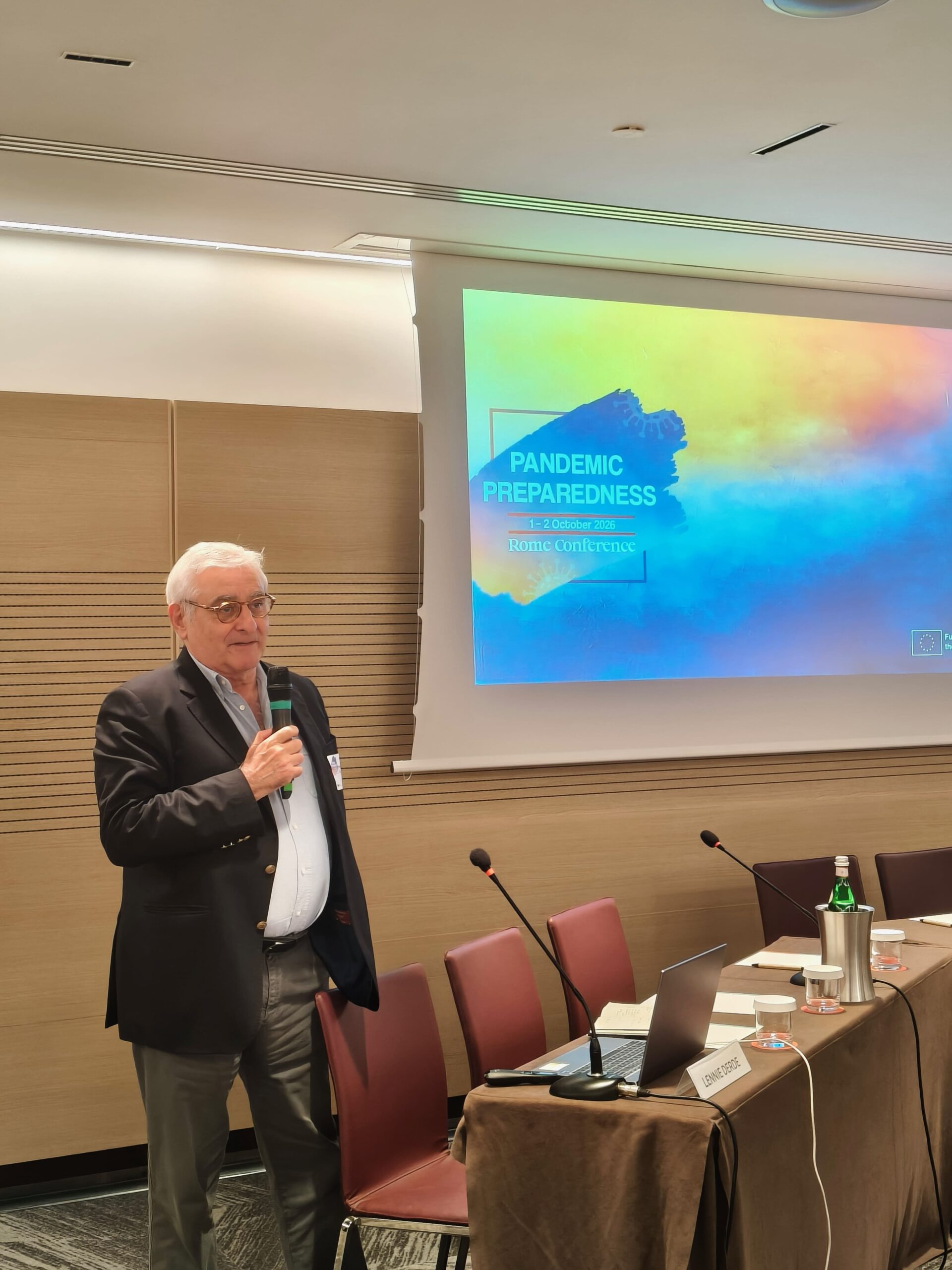
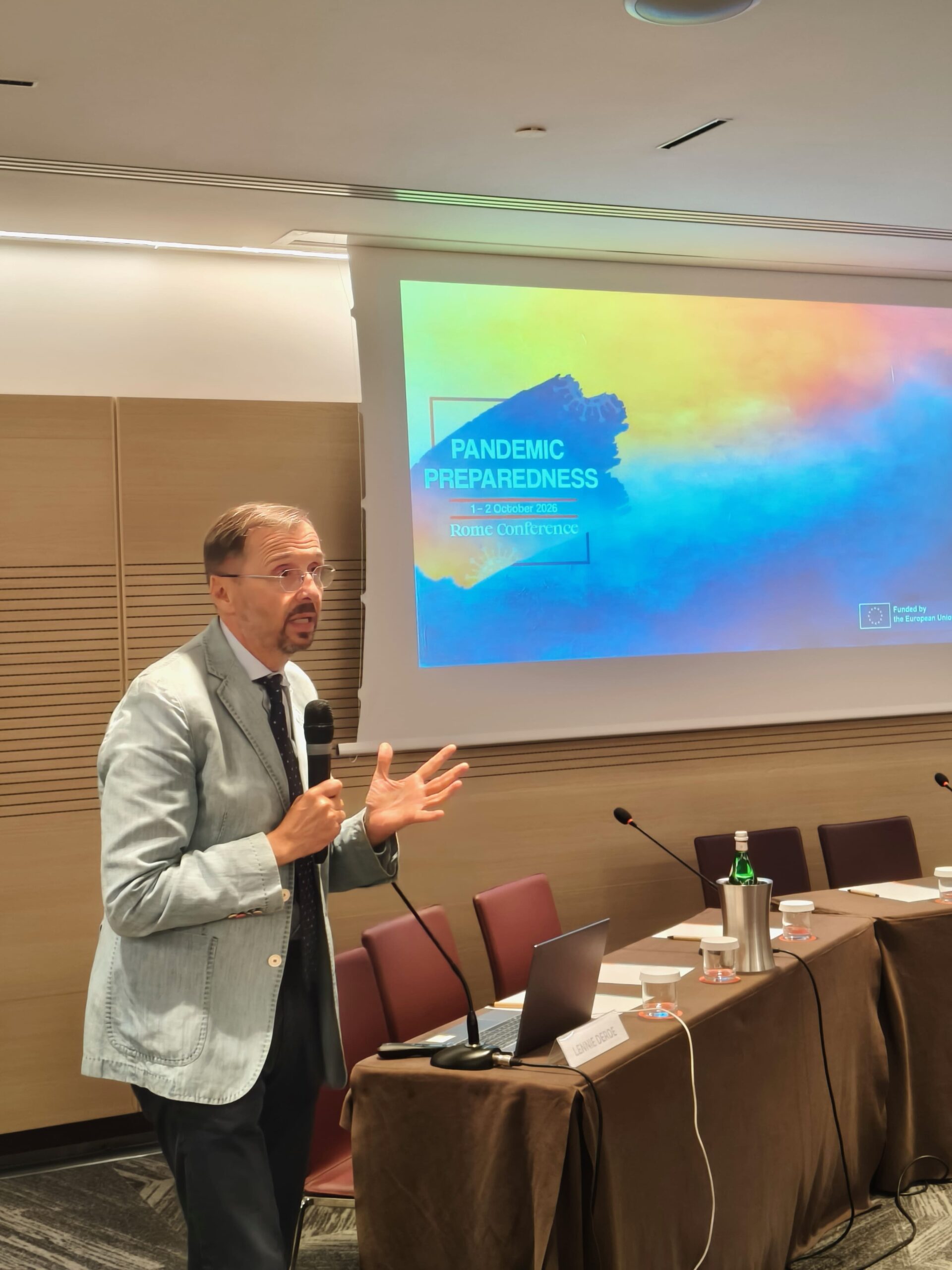
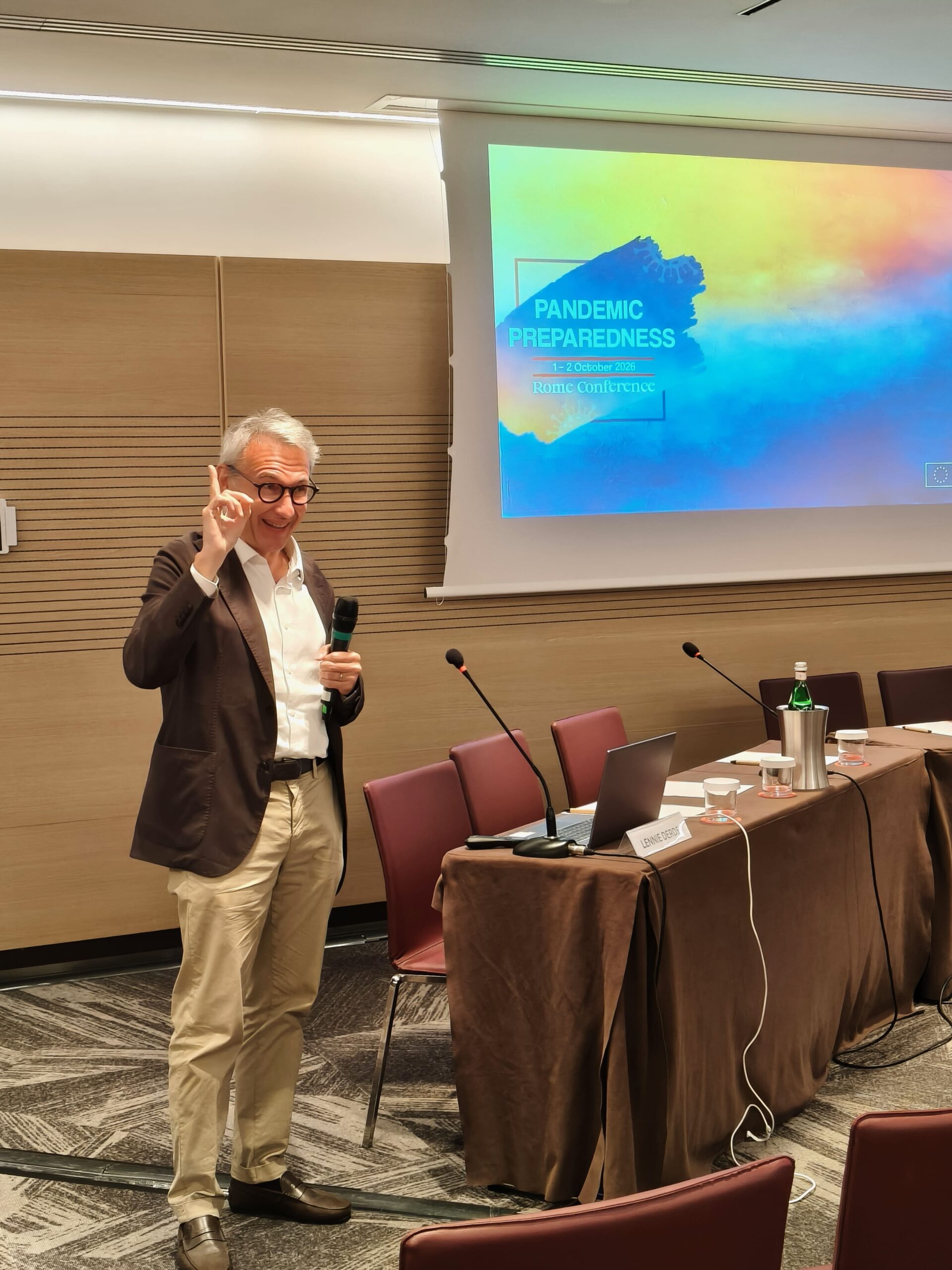
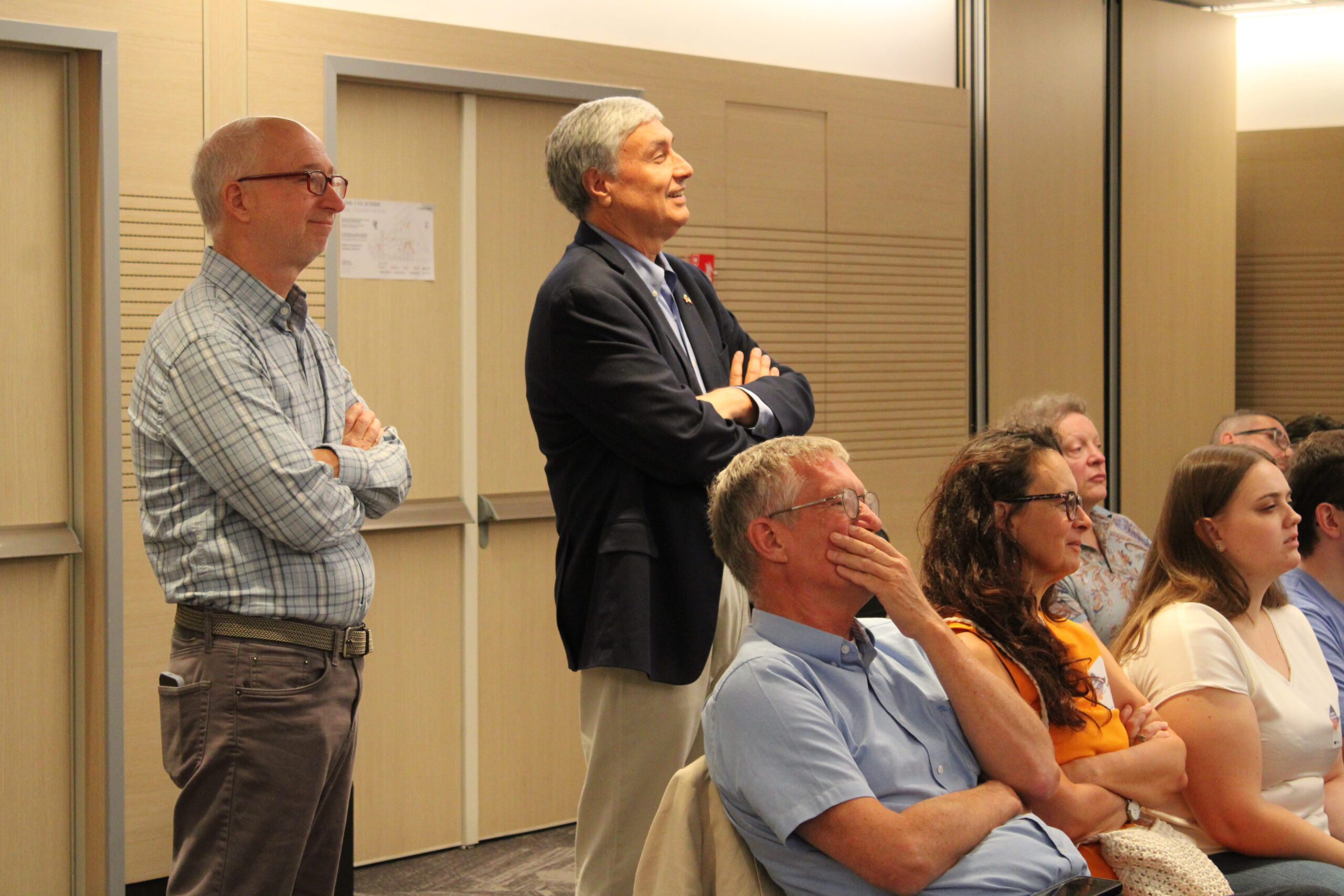
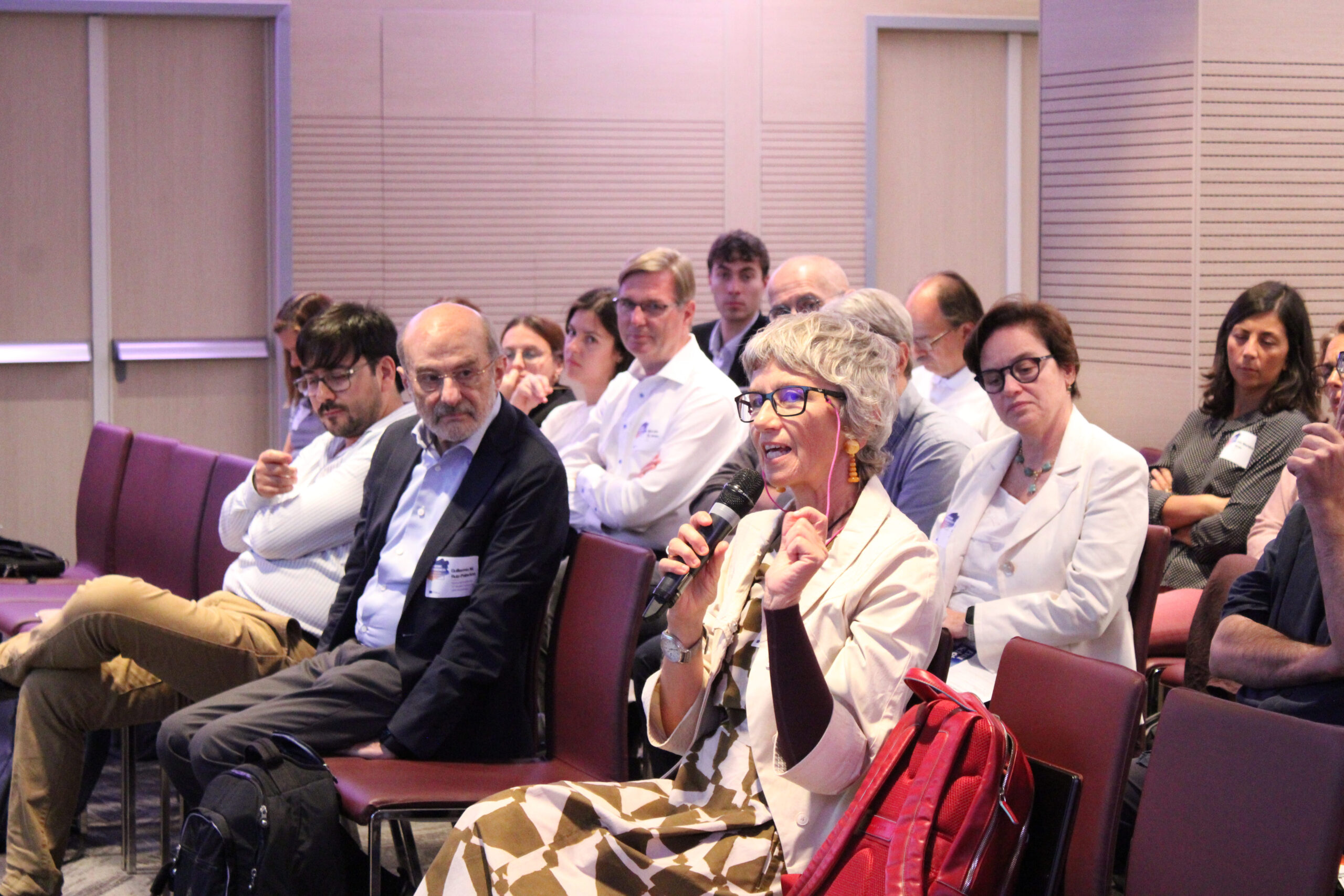
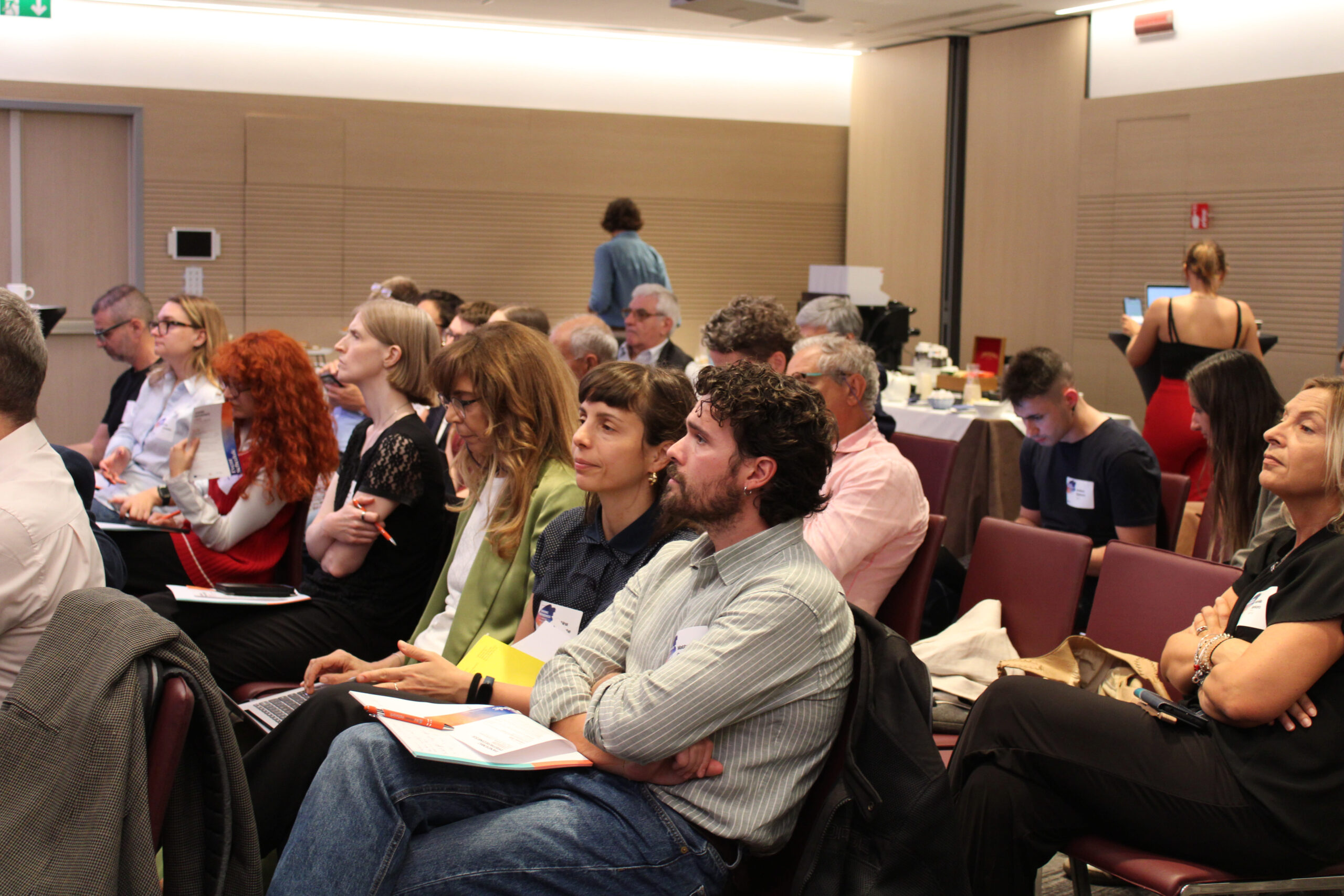
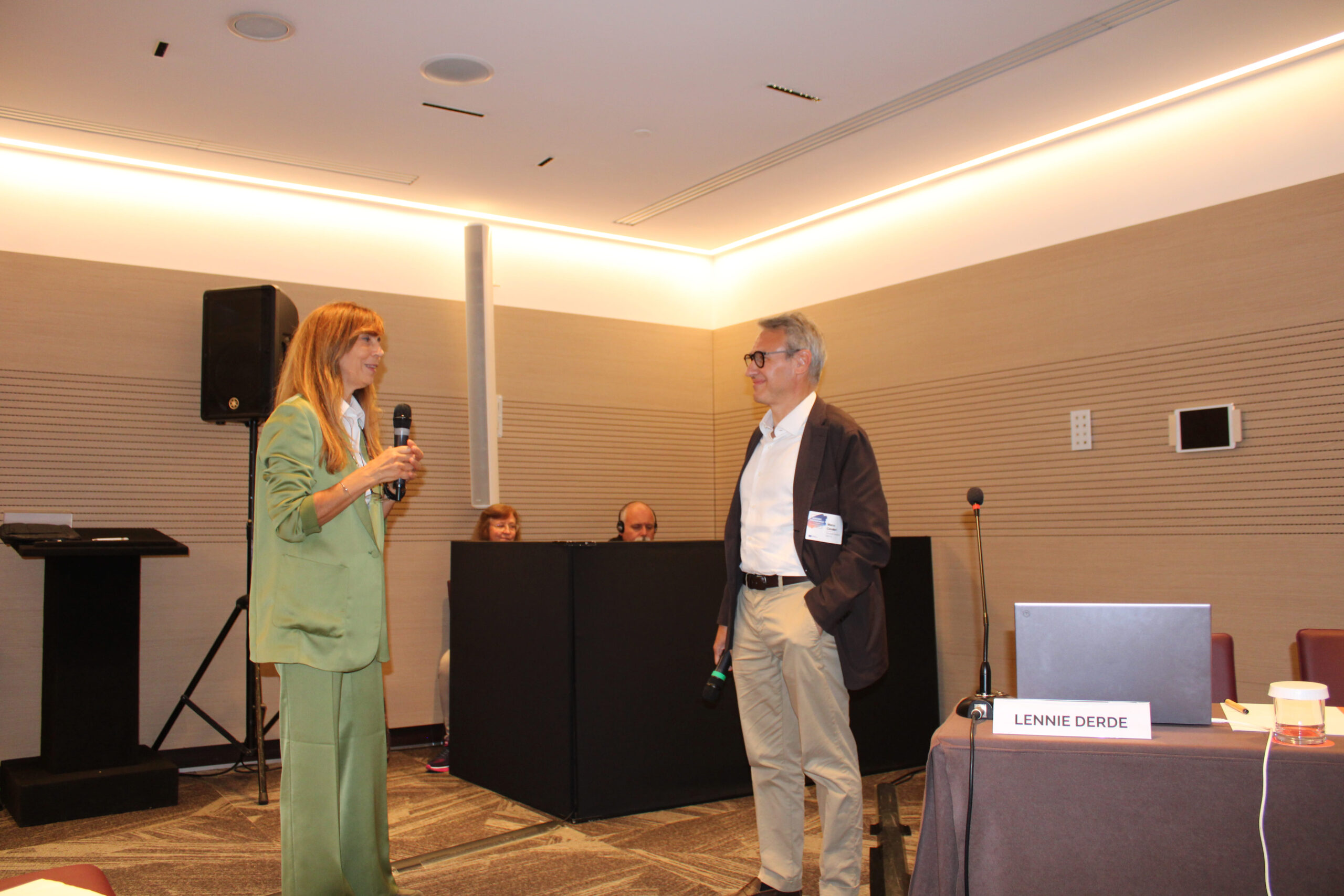
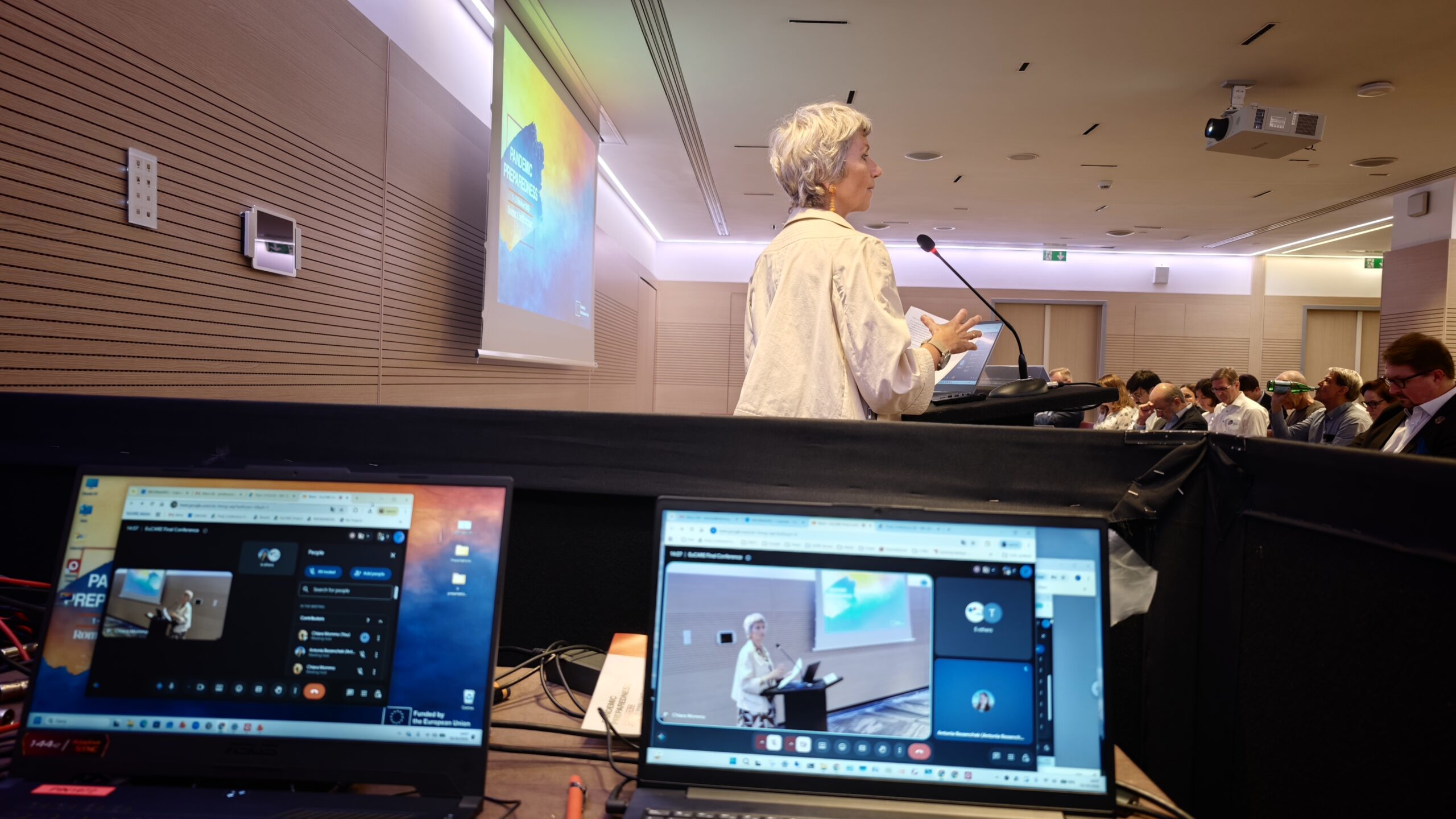
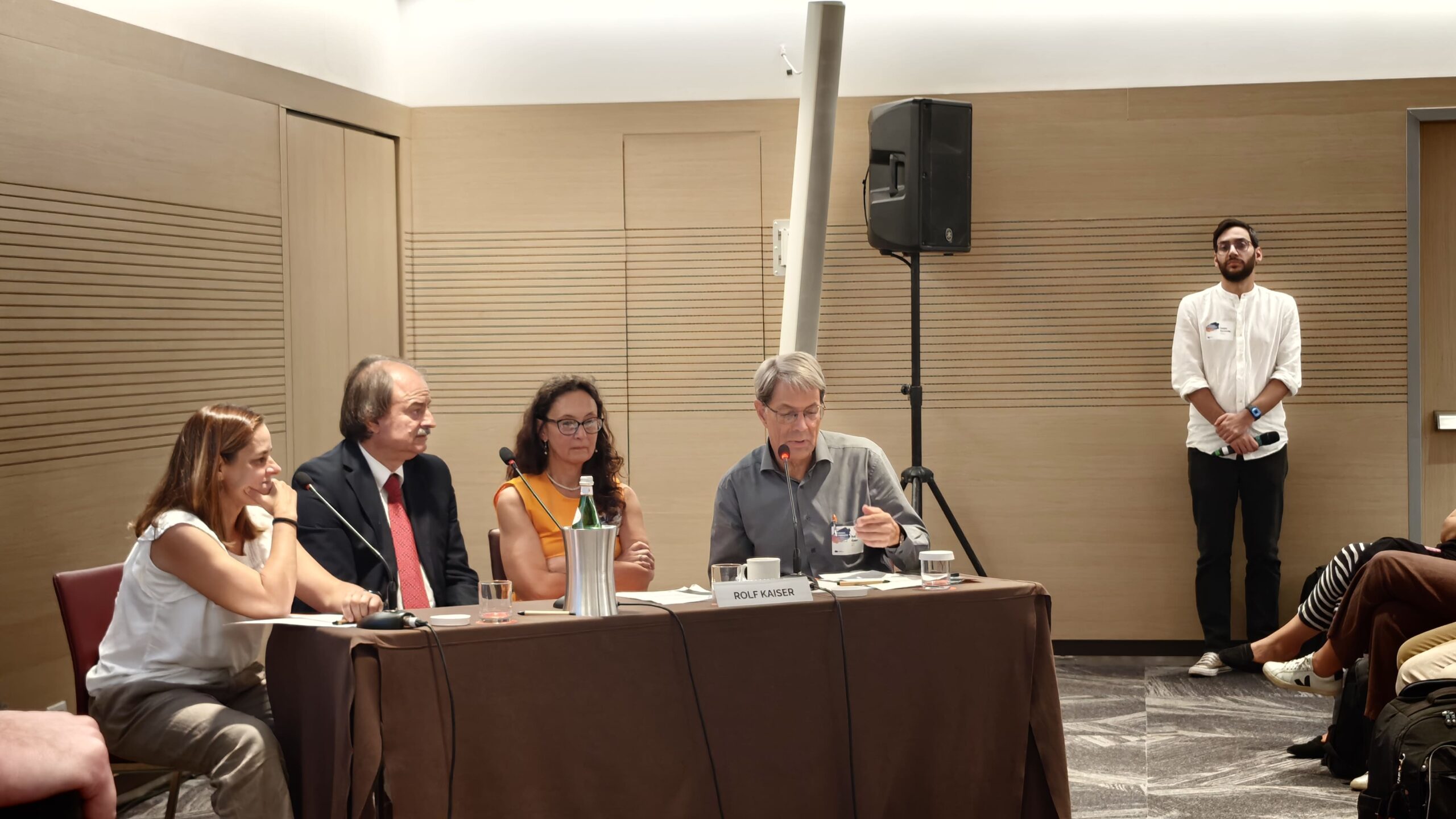
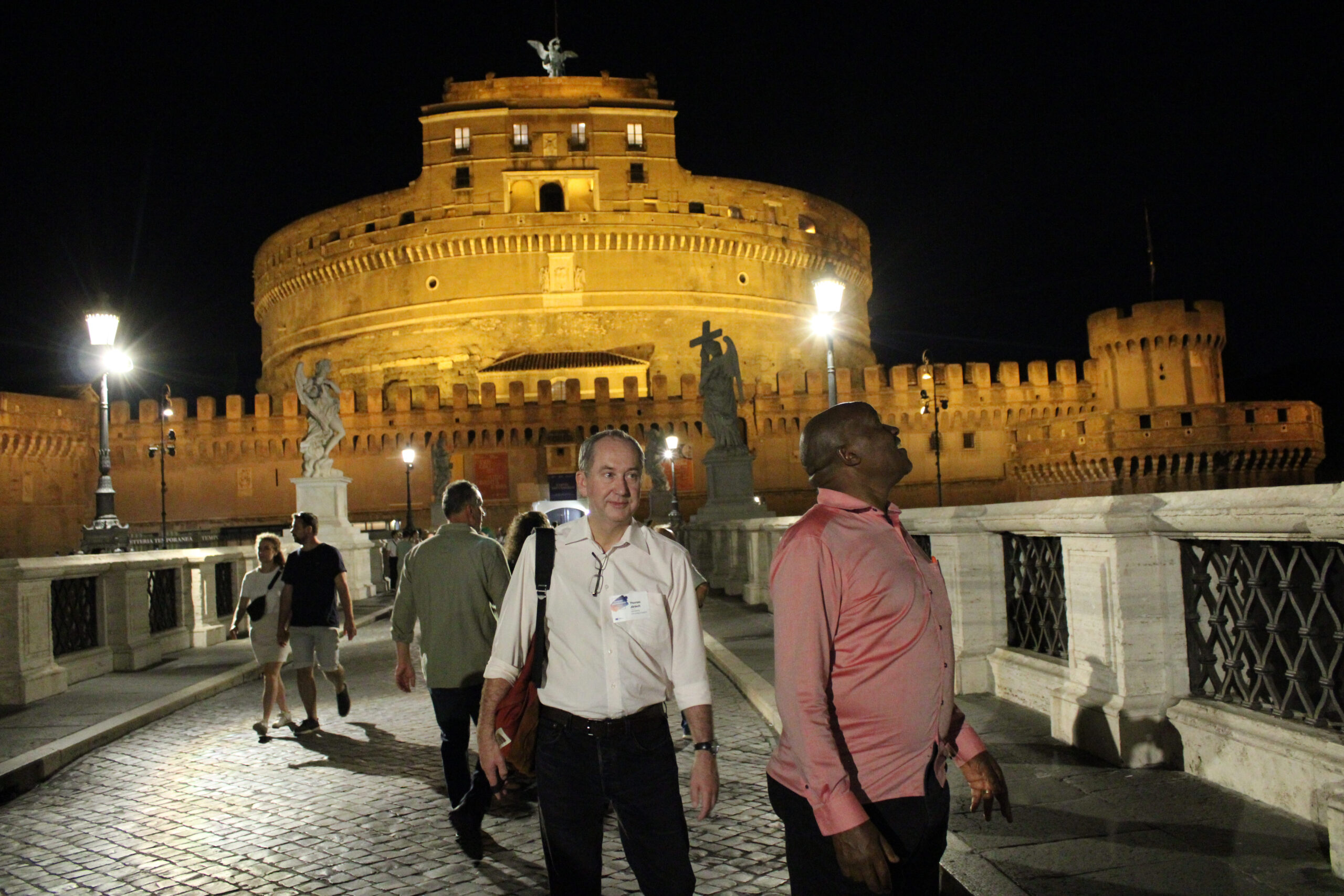
The beautiful event held in Rome on 1 and 2 October 2026, saw world-leading scientists engaged in passionate and open discussions, frankly acknowledging errors and shortcomings. It marked not only the final event of the EuCARE project, but also a joint effort by the EuCARE, VERDI and ORCHESTRA projects, under the guidance of the CCB (Cohorts Coordination Board).
As EuResist Network, coordinator of the EuCARE project, we are very proud of the depth and scope of this event.
Following a very rich agenda, the discussions addressed critical shortcomings from multiple perspectives across the highly multidimensional landscape of pandemic preparedness and response, sparking dynamic and lively exchanges.
Throughout the conference, the key findings of the projects were presented in constant dialogue with reviews of international research delivered by world-leading scientific experts:::::
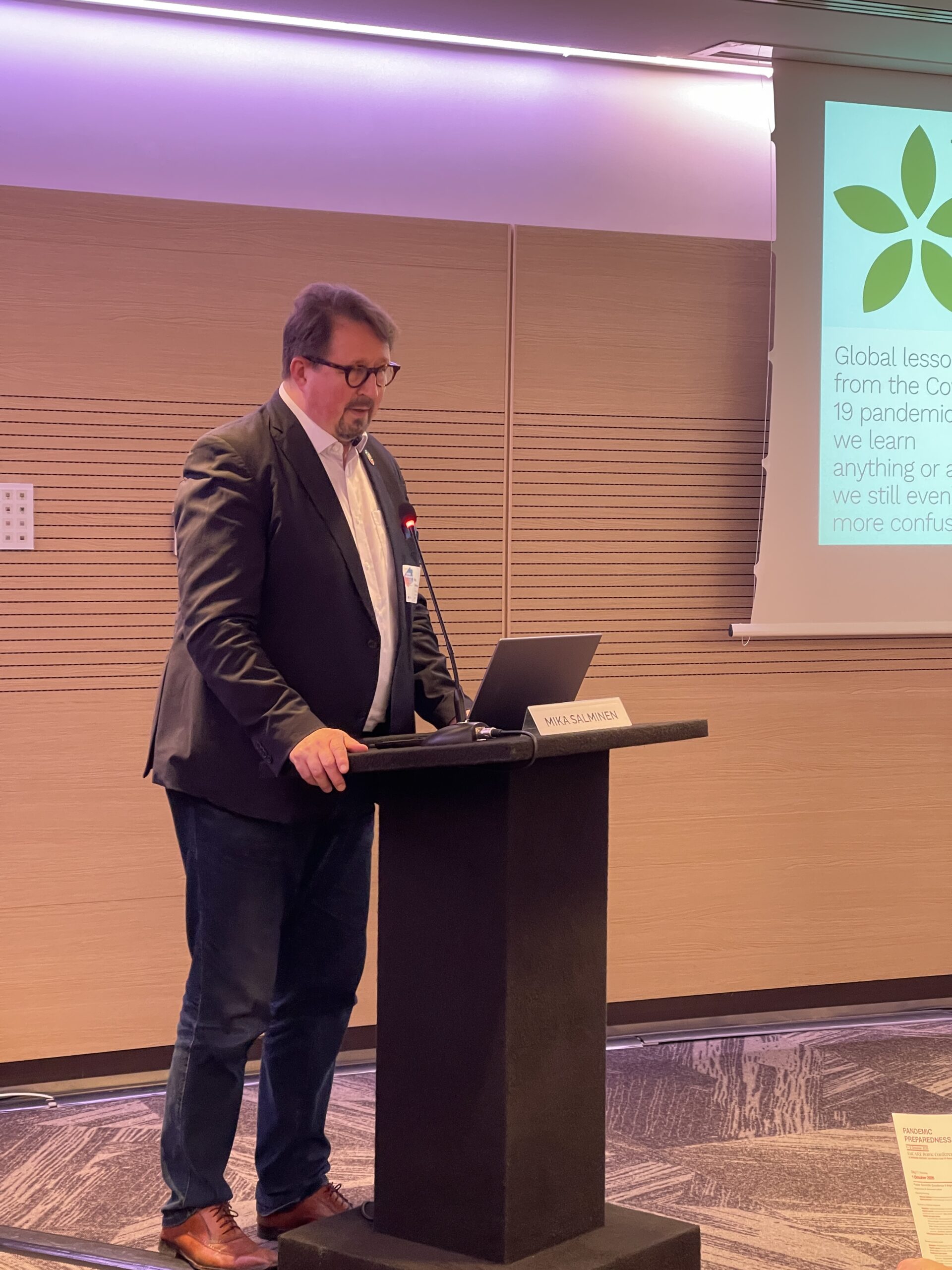
- Clinical Aspects: Mika Salminen – Finnish Institute for Health and Welfare “Global lessons from the Covid-19 pandemic. Did we learn anything or are we still even more confused?”
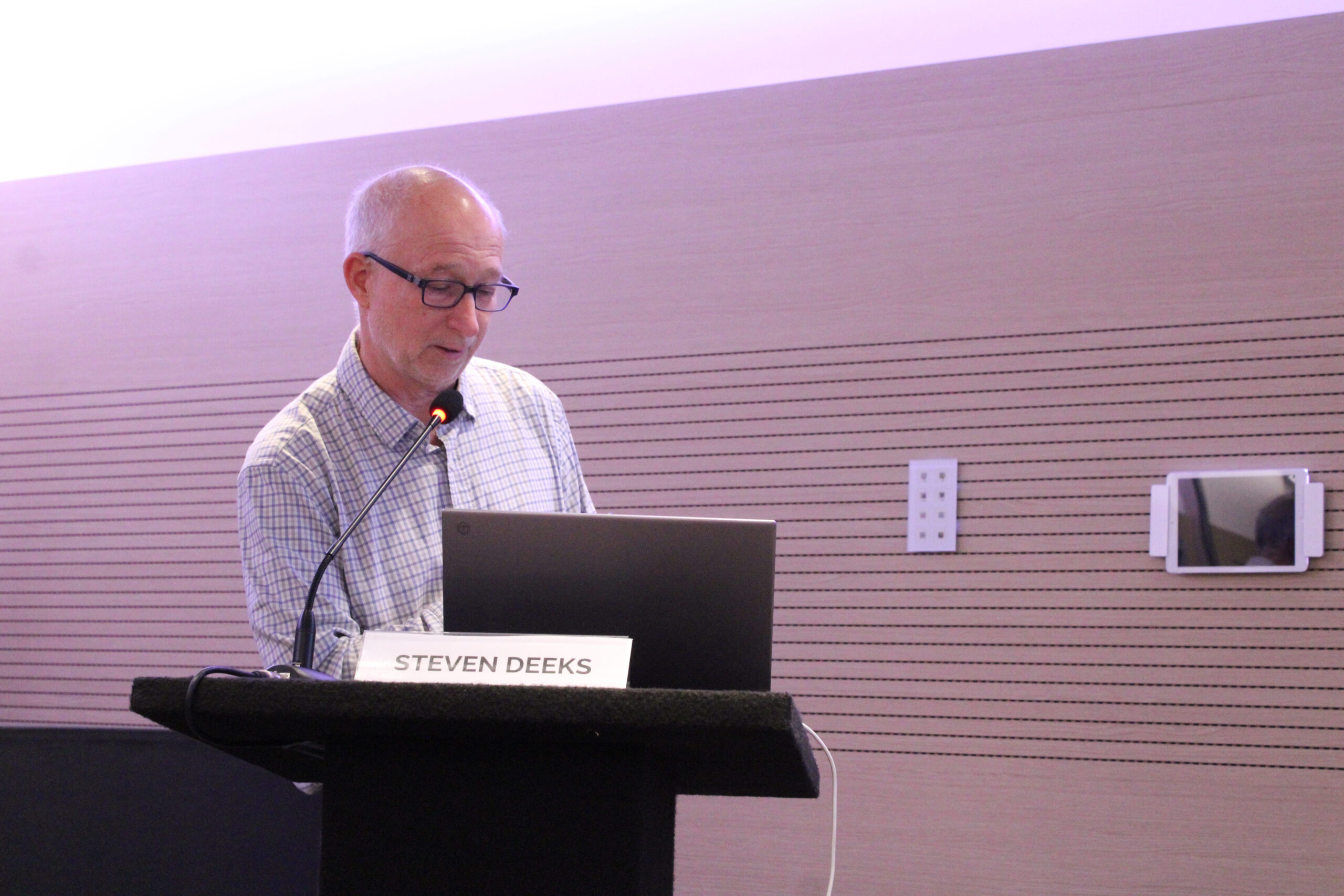
- Long COVID and Post-Acute Sequelae (PASC): Steven Deeks – University of California S. Francisco “Long COVID: Why does it occur and should we still care?”
- Vaccination and Immunology: Guido Silvestri – Emory University “COVID-19 Immunology and Vaccines: Facts, Legends, and Politics” & Rino Rappuoli – Biotecnopole Foundation, Siena “Pandemic preparedness: the role of Fondazione Biotecnopolo and the European Vaccines Hub”
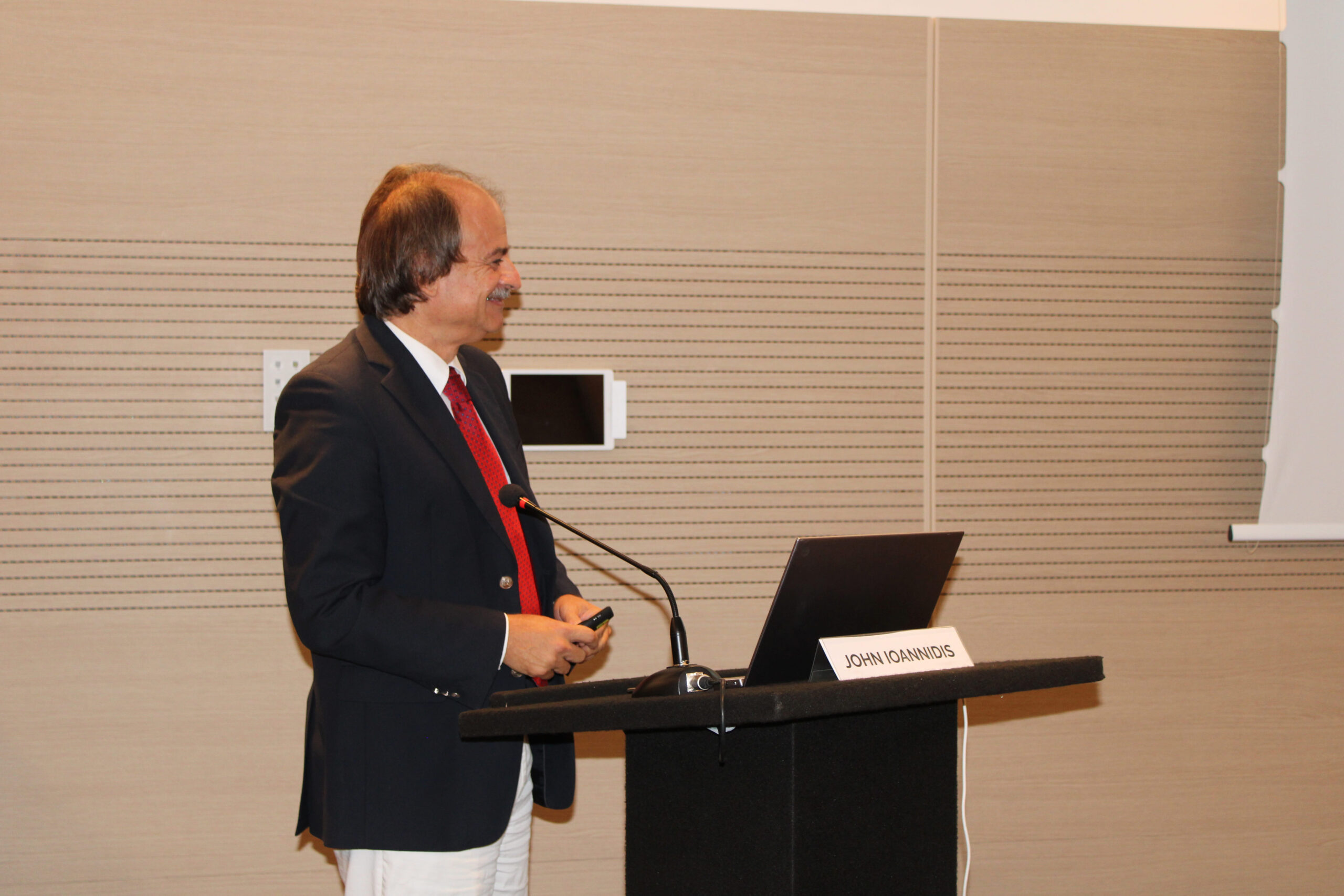
- Schools and Social Aspects: John Ioannidis – Stanford University “Epidemiology and public health research: COVID-19, a retrospective on evidence”
- Daniel Naumovas: Vice-Minister of Health of the Republic of Lithuania
- Marco Cavaleri: Head of the Department of Public Health Threats at the European Medicines Agency (EMA)
SPEAKERS
Mika Salminen – Finnish Institute for Health and Welfare “Global lessons from the Covid-19 pandemic. Did we learn anything or are we still even more confused?”
Prof. Mika Salminen answered his title’s question from inside the Finnish Institute for Health and Welfare. The Institute was a pivotal government scientific adviser, present at over seventy cabinet meetings. Pandemic response rested on a constitutional duty to protect life while disrupting normal life only as far as necessary and proportionate. In the Finnish pandemic response, he outlined four main phases, beginning with the precautionary principle, which guided a heavy reliance on unprecedented and strong control measures to reduce social contacts and eventually moving to vaccination protection replacing control measures, leading to reopening and learning to live with the coronavirus.
Tracing and quarantine matter early in an outbreak, he argued, but maintaining mass tracing for three years against advice brought little benefit. Few had foreseen the media overdrive, experts appearing “kuin sieniä sateella – as mushrooms after rain”, or the scale of public fear. Public health is always also politics, and it is naive to expect every decision to rest entirely on hard evidence or science. Repeated lockdowns are costly and unsustainable; protection without the consent of those protected is not acceptable and investment in developing disruption-free surge capacity is needed, particularly in intensive care.
Prof. Salminen also evaluated EU cooperation and main pillars, praising the fair internal distribution of vaccines and concluded pointing to the need to rethink resources devoted to crisis preparedness.
The lecture provided a wealth of practical and broader lessons on how societies prepare for, respond to and recover from health crises, leaving several questions that extend well beyond the pandemic itself.
Steven Deeks – University of California S. Francisco “Long COVID: Why does it occur and should we still care?”
Steven Deeks presented long COVID as part of a wider family of chronic conditions that can follow viral or bacterial infections, whose similar and often poorly defined clinical presentations raise the possibility of shared mechanisms. Despite recognition of post-infectious syndromes, long COVID still lacks a standard clinical definition, validated biomarkers and effective treatments, while the wide variation between individual cases makes large-scale clinical research difficult. Research has nevertheless converged on three main endotypes: neurological symptoms characterised by brain fog, myalgic encephalomyelitis/chronic fatigue syndrome with post-exertional malaise and tachycardia syndromes.
Women can face around ten times the risk of men in some studies, while similarities with rheumatological disorders point towards possible autoimmune mechanisms. Genetic predisposition and pre-existing immunity may also influence risk, and the acute phase of infection appears to matter: antiviral treatments such as Paxlovid can reduce the risk of long COVID when given during acute COVID-19, presumably by limiting early viral burden. By contrast, most trials of antivirals in established long COVID have been negative, perhaps because we do not yet have the capacity to screen for those who have persistent virus. A recent positive study of a TLR4 antagonist argues for persistent inflammation as a cause of Long COVID, but the data have yet to be reported in detail.
For future research, Deeks argued for high-quality experimental medicine studies, drawing on the HIV research model to identify and target the biological pathways that cause Long COVID. He also stressed that the consistently large placebo effect seen in trials should be investigated rather than simply dismissed, adding another layer to an already complex picture of a disease whose biology remains to be fully understood.
If the title asked whether we should still care, the answer is absolutely: people are still developing Long COVID, and there are millions of people globally suffering from earlier years of the pandemic.
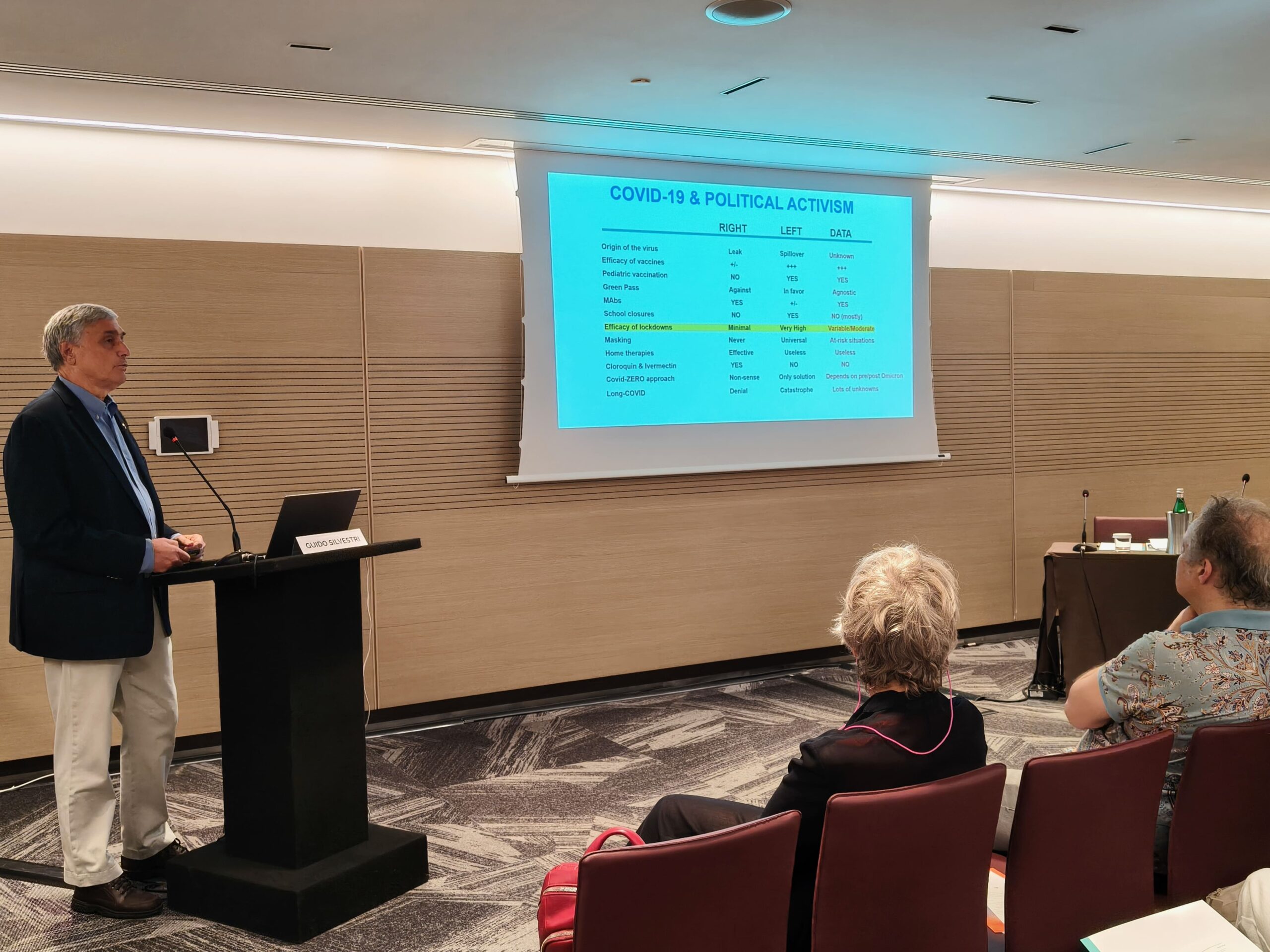
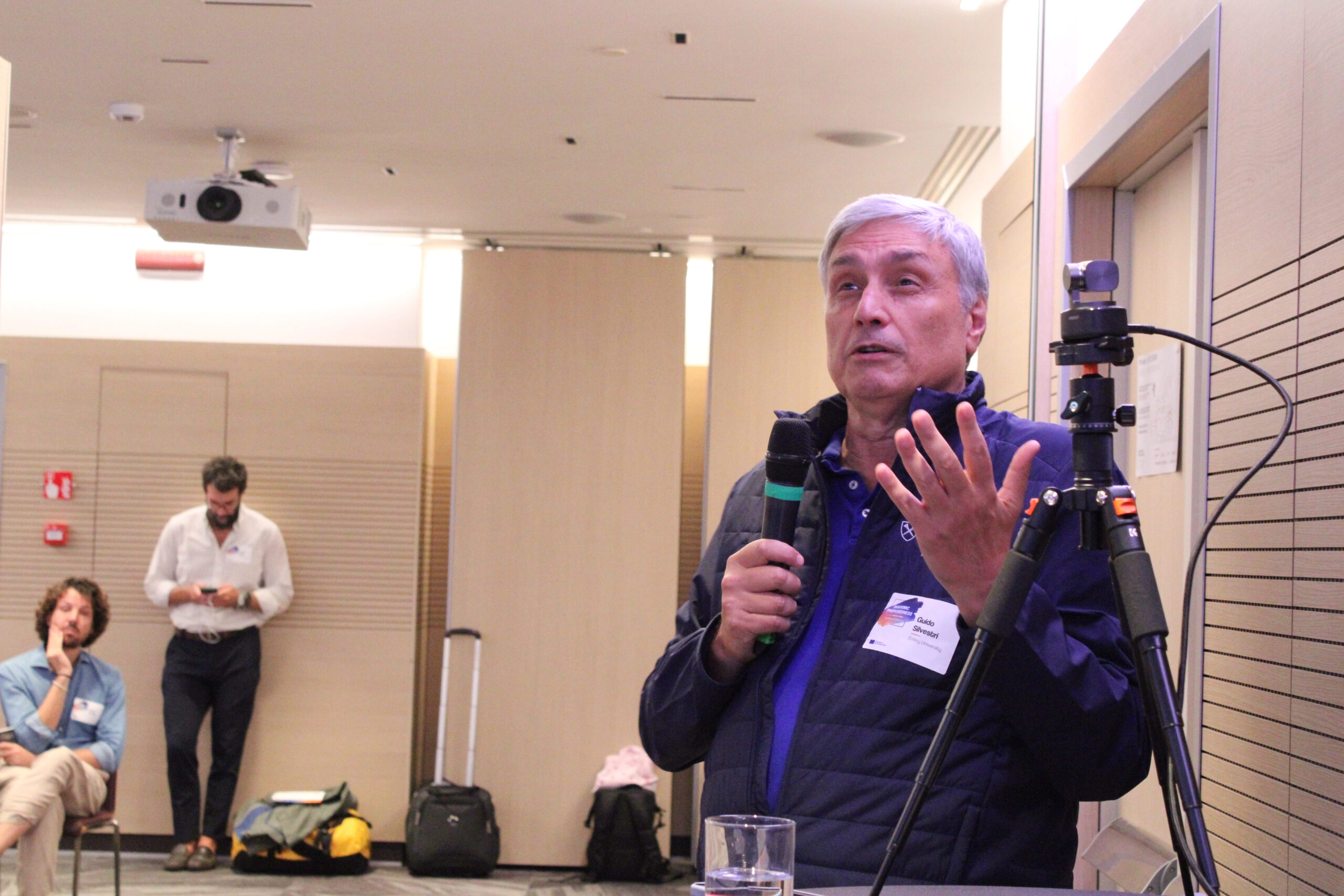
Guido Silvestri – Emory University “COVID-19 Immunology and Vaccines: Facts, Legends, and Politics”
Dr. Guido Silvestri opened his keynote on COVID-19 immunology and pathogenesis by drawing on his work on Simian Immunodeficiency Virus infection across different monkey species. While some species developed AIDS, others species such as the sooty mangabeys remained AIDS-free despite high levels of virus replication, thus illustrating how chronic immune activation and mucosal immune dysfunction can shape disease beyond the presence of the virus itself. He applied the same perspective to COVID-19, conducting studies of immune dysregulation in severe disease. Children with severe COVID-19 showed marked inflammation alongside lower T-cell responses, patients with severe disease displayed higher levels of low-affinity, self-reactive IgM antibodies, potentially linked to subsequent long COVID.
He also discussed endothelial dysfunction and coagulopathy, supporting a two-phase model in which early disease is predominantly virus-driven and later disease increasingly reflects immune dysregulation. This distinction supports the use of antivirals early in infection and immunomodulatory treatments, such as JAK inhibitors, at later stages. Turning to vaccines, Dr. Silvestri recalled the unprecedented US investment in vaccine development in 2020, the pivotal Pfizer and Moderna results that were reported publicly in November 2020, and subsequent evidence showing that vaccination continues to reduce severe outcomes in SARS-CoV-2-infected individuals.
He closed by reflecting on the wider consequences of the pandemic, introducing the metaphoric concept of “educational long COVID” to describe the persistent effects of the disruption to schooling between 2020 and 2022. Drawing an analogy with medical long COVID, the term captures learning losses and widening inequalities that continued long after schools reopened. The keynote ultimately underscored that the legacy of the pandemic extends beyond its immediate health effects, with consequences that can persist long after the acute crisis has passed.
From monkeys that carry high levels of virus without falling ill to children still catching up on lost schooling, Dr Silvestri kept returning to one idea: harm is never shaped by the virus alone.
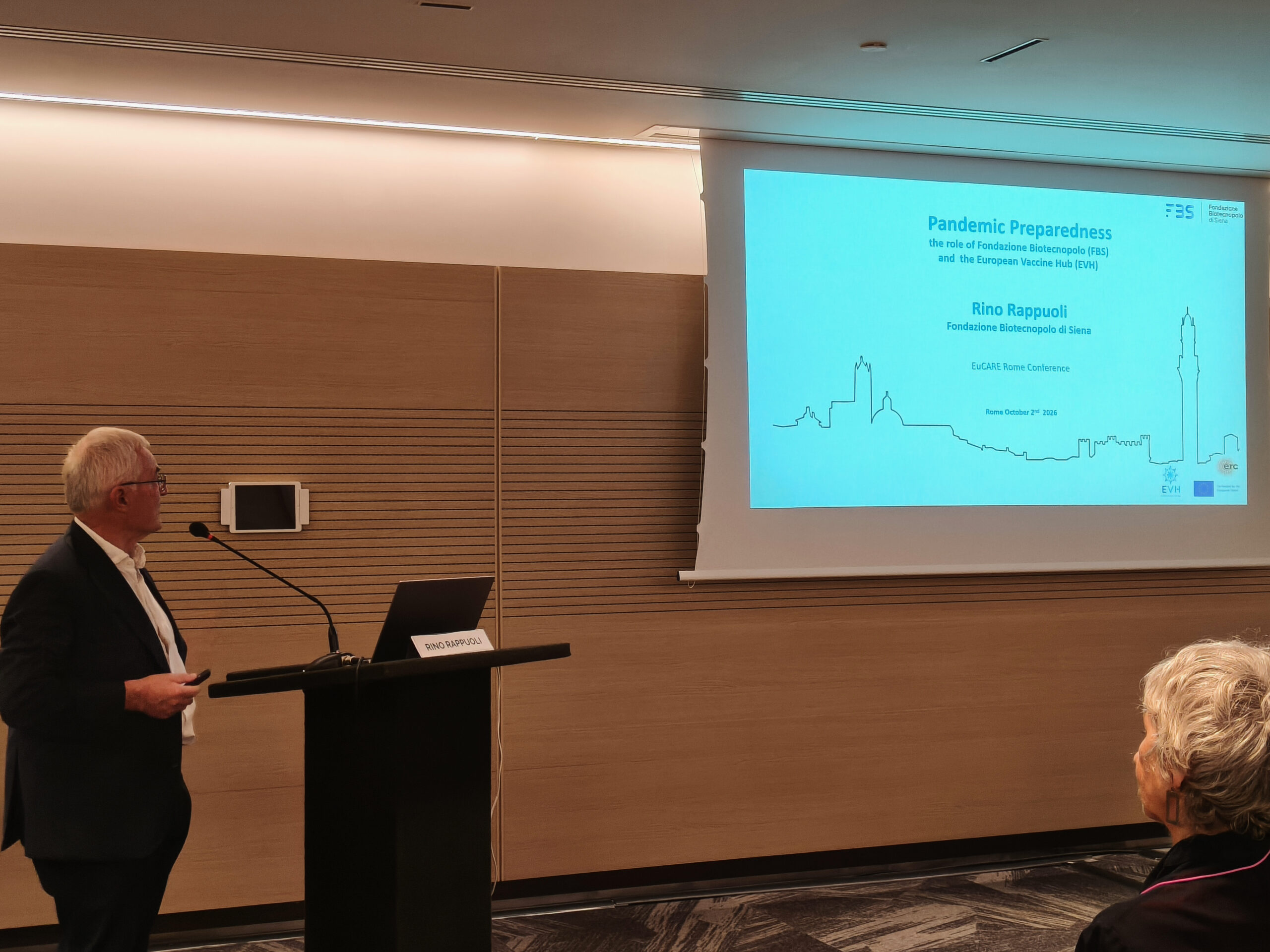
Rino Rappuoli – Biotecnopole Foundation, Siena “Pandemic preparedness: the role of Fondazione Biotecnopolo and the European Vaccines Hub”
Rino Rappuoli built his keynote around a pattern repeated since the 1980s: outbreaks bring sudden attention and funding, only for both to fade once the crisis has passed. Several global initiatives have emerged to break this cycle. CEPI, the Coalition for Epidemic Preparedness Innovations, was born from the Ebola meetings and now supports vaccine development against pathogens with pandemic potential, with the goal of enabling vaccines to be developed rapidly when new threats emerge.
The same logic underpins the REVAMP project, which received $350 million to establish a network of seven research centres dedicated to developing prototype vaccines against the most important viral families. Italy also invested in preparedness, with the government establishing the National Center for Pandemic Preparedness (CNAP) in 2022.
At European level, the European Vaccines Hub was created through a €170 million Horizon call and brought together existing centres, including the Fondazione Biotecnopolo Siena, the Institut Pasteur Vaccinopolis in Belgium and the German ZEPAI-D-ZIF. Eighteen months into the initiative it has been to connect European research groups around a common mission of granting that vaccine development capacity is already in place when the next pandemic arrives.
Prof. Rappuoli highlighted what this network can make possible in practice: within a month of outbreaks, teams rapidly identified previously unused monoclonal antibodies against hantavirus, as well as against the Sudan and Bundibugyo Ebola viruses.
Artificial intelligence, Prof. Rappuoli argued, can further accelerate vaccine research. During the 2022 mpox outbreak, AI helped identify the target of a promising monoclonal antibody in just one week, a process that had previously taken months.
Against a history of attention that arrives with outbreaks and leaves with them, Prof. Rappuoli made the case for capacity that stays, so that the next answer can come in weeks rather than months.
John Ioannidis – Stanford University “Epidemiology and public health research: COVID-19, a retrospective on evidence”
Prof. John Ioannidis described the pandemic as a “crash test for science”. Millions of scientists produced an unprecedented volume of COVID-19 research, yet the quality of the evidence was often poor: only 5% of 606 prediction models and 26% of 463 randomised trials were considered at low risk of bias. Prof. Ioannidis also highlighted how general and science journalists, together with social media influencers, strongly shaped the public response to the crisis. In the reviews he cited, detrimental outcomes of lockdowns outnumbered beneficial ones even by twenty to one among vulnerable populations, such as children, low-income groups, migrants, prisoners and refugees.
Ioannidis also questioned conventional approaches to measuring excess mortality, arguing that they often overlook pre-pandemic trends in life expectancy and mortality. Medical audits in several countries further suggested that a substantial proportion of deaths coded as COVID-19 were not primarily caused by the infection. Socioeconomic factors, namely poverty, lack of insurance and poor housing, were strongly associated with excess mortality during the first COVID-19 phase of 2020 and 2021.
The pandemic also brought important successes, such as well-designed large trials and the rapid development of vaccines. Yet, for Prof. Ioannidis, the overall “crash test” revealed major weaknesses: non-evidence-based measures and exaggerated information dominated, determining epidemiology and public health to suffer a loss of credibility. He stressed the need for continued, dispassionate scrutiny of both evidence and policies, together with a broader scientific and societal effort to rebuild trust and cohesion.
The presentation was followed by a lively and constructive debate on masks, distancing, school closures, vaccines and the role of precaution under uncertainty.
This view exchange, the animated discussion, both highlighted the value of open scientific debate and critical reflection on the lessons of the pandemic.
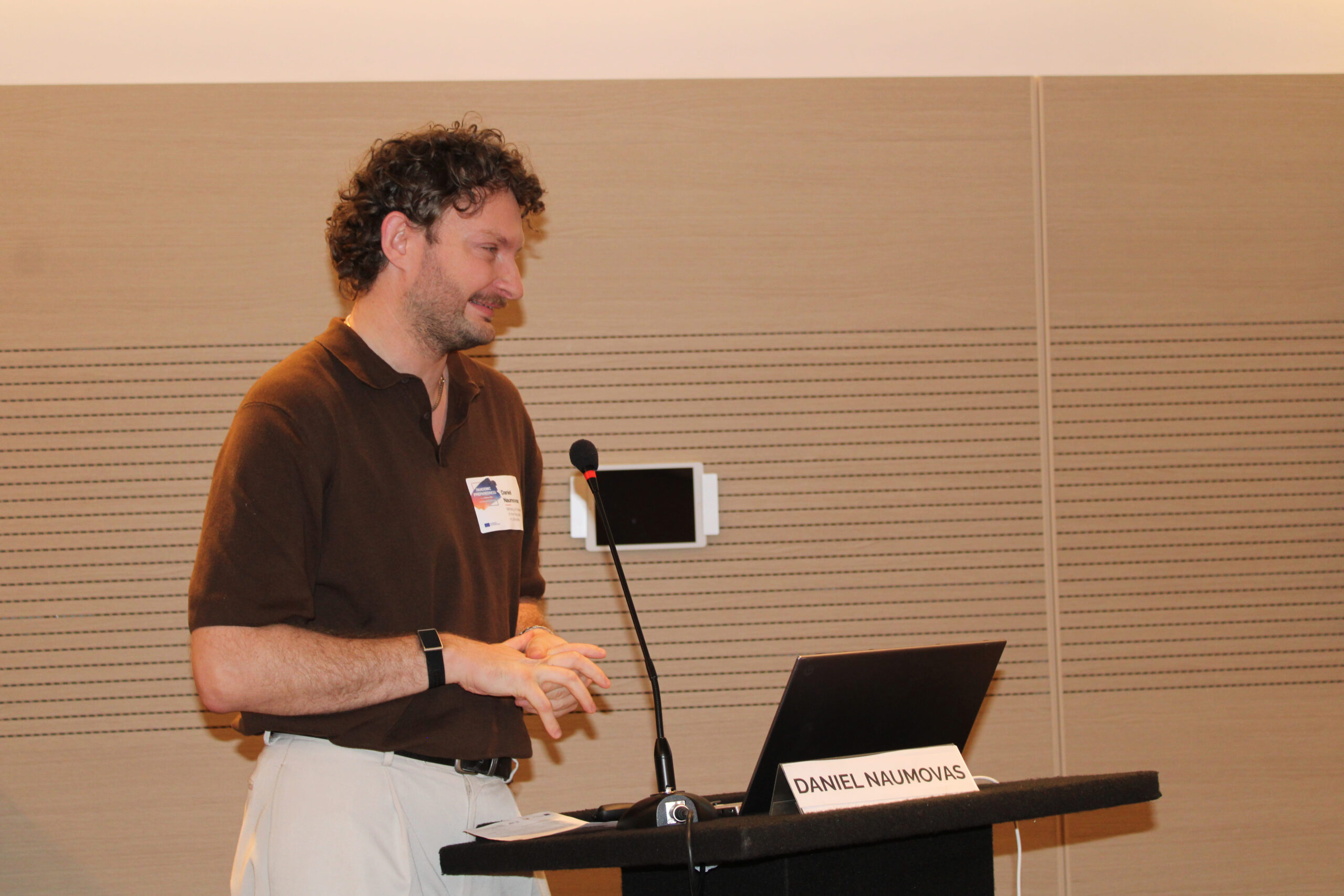
Daniel Naumovas – Vice-Minister of Health of the Republic of Lithuania
Daniel Naumovas opened with the priorities Lithuania will bring to its upcoming presidency of the Council of the European Union: innovation and health systems resilient enough to withstand disasters and war. He then looked back at what COVID-19 exposed in Lithuania. At the beginning of the pandemic the country struggled with infection control, with the availability of tests, vaccines and therapeutics, protective equipment and with a shortage of healthcare professionals. Some effects outlasted the emergency. Childhood vaccination coverage fell, pandemic fatigue set in the population, trust in experts declined and every response measure demanded stronger justification than before.
Vaccine hesitancy and disinformation were the problems he dwelt on and Lithuania’s response was to put the evidence in front of the public. Statistics on vaccine safety and effectiveness were turned into visual material a broad audience could follow and were updated periodically.
All of this depended on access to data, which at first was blocked by differing interpretations of the GDPR, unclear regulation and a lack of infrastructure and skills. Lithuania created a State Data Agency and a National Data Lake to merge state data sources. A Secondary Health Data Usage Act now allows anonymised data to be used without the consent of individual hospitals. The result was live tracking of mortality spikes, variant sequencing and vaccination. Visualisation, Naumovas argued, is what stops such data from being misread and lets it support evidence-based policy.
He closed at European level. Only coordinated preparedness and response can work, which means strengthening the European Health Union for more funding for health and research. A competitive Europe, he said, needs a healthy and happy population.
In Naumovas’s account, countering vaccine disinformation came down to data: whether it could be accessed, linked and shown to the public in a form people could follow.
Marco Cavaleri, head of the Department of Public Health Threats at the European Medicines Agency (EMA)
Marco Cavaleri described the activities during COVID-19 pandemic in which the agency worked around the clock. On the regulatory side, EMA took part in the NIH’s ACTIV framework, closely collaborated with WHO and ECDC, required efficacy data rather than immunogenicity alone for vaccines and worked through the International Coalition of Medicines Regulatory Authorities (ICMRA) to align study designs internationally. Public trust, he argued, depends on holding strictly to the evidence.
Clinical research was where Europe fell short. Cavaleri criticised the many small, underpowered trials scattered across European hospitals and contrasted them with the large, centralised trials run in the UK and the US. He also named concrete gaps. Europe has, for example, no BSL4 laboratory able to run monkey studies and the availability of diagnostics varied from place to place during COVID-19. What is needed, he said, is European infrastructure that can support both observational cohort studies and large randomised clinical trials.
Asked what should be done by December 2027, he set out three priorities. The first is infrastructure for observational studies of vaccines. The second is ready-to-go protocols for platform clinical trials, compassionate use and observational studies across different syndromes. The third is more funding for medical countermeasures.
For Cavaleri, the test for 2027 is whether Europe will have its protocols, cohorts and funding ready before the next outbreak, instead of assembling small, scattered trials once it has begun.